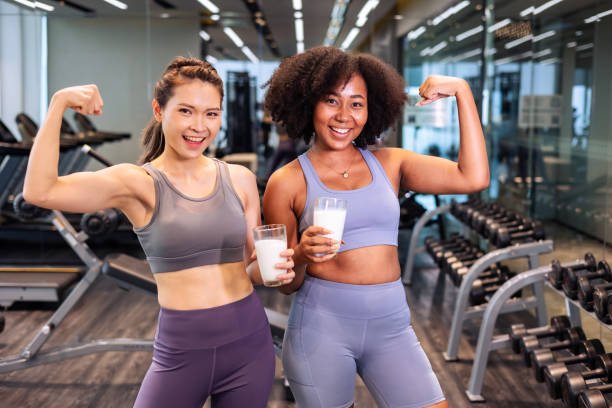
It’s something you have been told a million times before: eat more protein. A lot of females are truly confused by the conflicting nutrition information and the general recommendations and advice on protein.
Too little protein results in undiagnosed symptoms like fatigue, muscle loss, and delayed recovery. If you have a long-term deficiency of protein, you will be facing cumulative health problems that have nothing to do with nutrition.
Daily protein intake for women varies according to age, activity level, hormone fluctuations, and life phase.
What is Protein?
Your body requires protein, in addition to carbohydrates and fats, in large quantities. It’s composed of smaller units known as amino acids, and it’s these amino acids that actually work in your body.
There are 20 amino acids in total. Of these, 9 are essential amino acids that cannot be produced in the body by themselves and are therefore completely dependent on your diet. The remaining 11 are non-essential, and your body can make them on its own.
Your body breaks down protein into these individual amino acids when you eat protein. Your body then puts them back together to create and repair tissues. Protein is needed to help build lean muscle mass, make enzymes that break down food, make hormones such as estrogen and progesterone, and make antibodies to activate your immune system.
Your body needs protein to do these important maintenance functions, and without an adequate protein intake, your body’s physical condition will deteriorate gradually.
Foods that contain all nine essential amino acids in adequate amounts are called complete proteins, e.g., meat, eggs, dairy, soy, and quinoa. Foods that lack one or more are called incomplete proteins, such as beans, nuts, and grains. Eating a variety of plant foods throughout the day still covers all your amino acid needs.
So What Does Protein Do in Your Body?
Proteins play an important role in every aspect of your body’s function. It’s not simply muscle mass building. This is what it does to your body:
- Repairs tissues: Your muscles, skin, hair, nails, and organs are composed primarily of protein.
- Supports immune function: Antibodies that fight infection are proteins.
- Makes hormones and enzymes: Insulin, thyroid hormones, and digestive enzymes are all proteins.
- Carries oxygen: Hemoglobin, a molecule that transports oxygen in the blood, is also a protein.
- Keeps you full: Protein is the most satiating macronutrient, reducing hunger and curbing cravings.
- Regulates blood sugar: Delays glucose absorption to avoid energy crashes.
- Maintains bone density: Particularly for women during old age.
How Many Grams Of Protein Do Women Need Daily?
There is much conflicting information about how much protein a woman should consume, and you need to be careful about where you are getting your information from.
According to the standard government RDA (Recommended Dietary Allowance), the recommended dosage is 0.8 grams per kilogram of body weight.
But experts in functional medicine and sports nutrition state that this is the minimum amount necessary to avoid severe malnutrition, and not what needs to be consumed for optimum health. Numerous studies have demonstrated that women, particularly active women and women over 40, need much higher levels of protein than the RDA.
To calculate protein daily intake for women, you need to consider your body weight as well as your daily activity level:
For a sedentary woman: You should aim for at least 0.7 to 0.8 grams per pound of your target body weight.
For any active woman: It will be 0.8 to 1.0 grams per pound of desirable weight.
For a woman age 40+ with strength training: The target should be 1.0 to 1.1 grams of protein per pound of target body weight to combat the muscle loss that occurs with age.
For this to be practical, an average-sized active woman (150lbs) should be eating about 120 – 150 grams of protein each day. It’s best to monitor your consumption over a couple of days using a food logging app.
Once you realize that you’re eating around 60-70 grams, you’ll likely understand why you’re having trouble losing weight, feeling tired, and dealing with weak nails.
Why Women Need More Protein?
Estrogen has a protective function in maintaining muscle mass in women. However, as levels drop during perimenopause and menopause, women are more likely to develop sarcopenia – the loss of muscle mass.
This is directly counteracted by increasing the protein intake. Research indicates that women older than 50 years of age require as much as 1.8-2.0 g/kg for muscle maintenance, strength, and bone density. Let not this old “0.8 g” number get in the way of your long-term health.
Foods Rich in Protein and Their Actual Amounts
One of the top reasons women don’t get the protein they need is that they don’t know how much protein is considered a serving. Eating plain chicken breast each day is actually not enough protein. These are the best foods to eat if you’re looking for protein:
Animal-Based Sources
- Chicken Breast: 4 ounces of cooked, skinless chicken breast provides approximately 35 grams of protein.
- Wild-Caught Salmon: 4 ounces of cooked salmon contains about 25 grams of protein, and it’s packed with highly beneficial Omega-3 fats.
- Lean Ground Beef: 4 ounces of cooked lean ground beef contains about 28 grams of protein and a high bioavailable iron and B-vitamins source.
- Whole Eggs: There are about 12 grams of protein in 2 large eggs. Egg protein is the most bioavailable of all proteins, which means that your body uses it all.
Plant-Based Sources:
Lentils are a good source of protein (about 18 grams per cup cooked) and a huge amount of dietary fiber (good for gut health).
- Low-fat cottage cheese: One cup of low-fat cottage cheese contains about 25 grams of protein. It has a high casein protein content that takes a long time to break down and provides a slow release of protein to the muscles over a period of time.
- Tempeh: Cooked tempeh contains about 31g of protein. It is a fermented soy product that is great for gut bacteria.
- Hemp Seeds: 3 tablespoons of hemp seeds contain about 10 grams of protein and contain a balanced ratio of Omega-3 to Omega-6 fatty acids.
- Quinoa: A cup of cooked quinoa contains about 8 grams of protein. It has one of the few plant-based sources with a complete supply of all nine essential amino acids.
- Greek Yogurt: A cup of plain non-fat Greek yogurt contains 20-24 grams of protein and is an excellent breakfast choice.
How to Actually Eat Enough Protein
Simply knowing the numbers is not enough if you don’t know how to eat them. Your body can only take in and use a specific amount of protein at a given time for muscle development. The remaining is converted into energy or stored as fat.
Try to:
Distribute throughout the day. It is recommended to take protein throughout the day. You should try to get 30-40g of protein in a meal. With three meals a day, that’s 90 to 120 grams.
Have protein for breakfast. High protein breakfasts like eggs, Greek yoghurt, cottage cheese, and protein smoothies. This significantly decreases hunger and cravings all day.
Apply the protein first plate method. Choose a protein source first and load up the rest of the meal with vegetables, healthy fats, and complex carbs. Don’t serve meat on top of a bowl of rice or pasta, rather begin with the protein. Plan to start with 4 ounces of chicken as the base for your meal and then add vegetables and complex carbohydrates.
Have high-protein snack foods available. Eating a small handful of hard-boiled eggs, a cup of edamame, a string of cheese, a small handful of almonds, or a small tub of Greek yogurt is easy to do without thinking between meals to hit your goals.
Try a good protein supplement. If it is hard to get to Whole Foods, a whey protein or pea protein drink is a great way to get 20-25g of protein without much work.
Follow for 2 weeks. This is not a long-term thing to do, but after 10-14 days of tracking your protein with an app such as Chronometer or MyFitnessPal, you will come to understand what you are actually eating.
Signs You’re Not Getting Enough Protein
Protein deficiency is sometimes insidious and difficult to detect. The following are some of the signs of low daily protein intake:
- Fatigue
- Hair thinning
- Hair shedding
- Muscle weakness
- Poor exercise recovery
- Brittle nails
- Dry, dull skin
- Mood swings
- Brain fog
- Low motivation
- Swelling or puffiness of hands, feet, or face
The Bottom Line
Protein is the building block of your body. For those who are always tired and have trouble recovering from exercise, the first thing to check is your daily protein intake. Begin with a plan and know your desired goal. Try to pick 2 or 3 foods you really like that are high in protein, and work from there. Little and steady changes like this can result in sustained outcomes.
At Kairos Health and Wellness, one of our functional nurse practitioners, Lola, is here to help you determine the exact amount of protein you need for your body and health objectives.
If you have any questions or concerns, call us today!