Gray hair, wrinkles, or stiff joints are commonly a part of aging. But your greatest danger to physical independence and longevity is completely unseen. It is actually the gradual decrease in your muscle mass. This condition is known as sarcopenia, and it is one of the more impactful health changes that occurs in the human body as you grow older.
This word is derived from sarx (flesh) and penia (poverty), both Greek words. This biological transition is even more important to know if you are a woman.
The muscle loss associated with sarcopenia is greatly accelerated by the hormonal changes that happen during perimenopause and menopause, which is a specific concern in women.
If left unchecked, you could lose up to 30% of your total muscle mass by the time you reach your 60s
What is Sarcopenia?
Sarcopenia was officially recognized as a disease with its own ICD-10 classification code in 2016. It’s a progressive and measurable medical condition characterized by the loss of skeletal muscle mass and physical strength.
Sarcopenia is the imbalance between two ongoing processes in your muscles: muscle protein synthesis (MPS) and muscle protein breakdown (MPB).
A healthy young body has a good balance between synthesis and breakdown. As you get older, however, your body becomes anabolic resistant. This means that the protein in your diet and exercise won’t have the same effect on your muscles. Your body just isn’t able to generate new tissue quickly enough and begins to outpace that process.
This process takes time and is not occur overnight. It starts at age 30 and develops very rapidly after 60. It’s also crucial to understand that there are two forms of sarcopenia: Primary sarcopenia is a natural aging process. Secondary sarcopenia is caused by Inactivity, chronic disease, or excessive malnutrition.
However, in women, the perimenopause and dramatic decline of estrogen contribute to this breakdown in an accelerated way, directly causing sarcopenia symptoms in women.
Key Sarcopenia Symptoms
Sarcopenia is a gradual, progressive condition and the symptoms of sarcopenia may not be seen until the later stages. It is important to note your body changes and not only the scale changes. Some of sarcopenia symptoms include:
- Poor muscle strength
- Slower walking speed
- Poor stamina
- Unexplained weight loss
- Shrinking muscles
- Weight gain
- Brain fog
- Low mood
- Poor blood sugar control
- Balance issues
Sarcopenia Symptoms in Women
The loss of muscle tissue is a serious issue for women, as their bodies are more susceptible to complications. Women have less overall muscle mass than men, and lose more muscle mass as they get older.
The most important transition is the transition to menopause. Estrogen is protective in maintaining muscle mass and promotes muscle repair. Sarcopenia in women symptoms significantly increase when estrogen levels drop during perimenopause and menopause. These are some of the specific signs to watch for:
1. Loss of Gluteal and Thigh Mass
Sarcopenia affects most of the core muscles of the body as well as the pelvic floor and lower muscles, that can lead to pelvic floor dysfunction, back pain and postural changes that are thought to be just caused by getting old.
Women are often surprised to find that their thighs are losing their strength and that their buttocks look flat, and they have trouble getting up from a chair without putting their hands on the rails for leverage.
2. Greater risk for frailty
Your muscles acts as a shock absorber for your bone. The loss of lower body muscle directly translates to poor balance, instability, and a dramatically higher risk of bone fractures from minor falls.
3. Insulin Resistance
Women who lose muscle mass rapidly, directly increase their risk of type 2 diabetes due to the fact that muscle tissue burns the most of your blood sugar. There’s lower muscle mass in women than men to start with, which means proportional losses have a greater effect on metabolism. This is one of the reasons why many women may gain or lose weight in their forties and fifties.
4. Bone Loss
In women, sarcopenia often coexists with osteoporosis, and this is called osteosarcopenia. When muscles are lost, mechanical loading on bones is also decreased, placing a hazardous double risk on fracture.
5. Perimenopause Acceleration
Years before menopause, the hormonal changes of perimenopause accelerate the loss of muscle that happens in the mid-40s. Fatigue and changes in body composition are some of the symptoms that can occur before a formal diagnosis is made.
How Is Sarcopenia Diagnosed?
If you think you might be having sarcopenia, or simply getting an estimate, your doctor or healthcare provider has several validated tools for you to use.
According to the EWGSOP2 consensus, sarcopenia has three criteria that are all measured together:
- Low muscle strength: It is measured via handgrip dynamometry that is called a grip strength test. Reading of less than 16kg is a red flag for women. This is frequently the first and most useful screening.
- Low muscle quantity or quality: It is assessed via DXA scan (dual-energy X-ray absorptiometry), bioelectrical impedance analysis (BIA), or CT/MRI. These tests measure real body lean mass (tissue) instead of fat.
- Low physical performance: It is measured by a standard 4-metre gait speed test (normal = ≥0.8 m/s), the Chair Stand Test (rising from a chair 5 times without using arms), or the Short Physical Performance Battery (SPPB) score.
- The SARC-F Questionnaire: This is a brief five question self-reported screening instrument that asks about strength, walking, rising from a chair, climbing stairs, and falls. A score of ≥4 suggests possible sarcopenia and should be followed clinically.
DEXA scan is considered as a valuable tool for diagnosing sarcopenia. A DEXA scan was previously the tool for measuring bone density, but it is also an accurate measure of lean body mass. It can provide you with exact amount of muscle mass and monitor your progress on building up muscle mass.
BMI Is Not a Reliable Indicator
This is because many women who suffer from sarcopenia have a normal or even elevated BMI, which is known as sarcopenia obesity, where body fat has taken the place of lean muscle, but body weight appears normal.
That is why, when you step on a scale, you get almost no useful information about your health in terms of muscle. Body composition tests like DXA or BIA are much more informative.
Science-Backed Sarcopenia Treatment
There are no pharmaceutical drugs or multi-vitamins that can stop sarcopenia. To treat sarcopenia, you have to overcome the body’s tendency to lose muscle. Here are some tips for you to follow:
1. Resistance Training
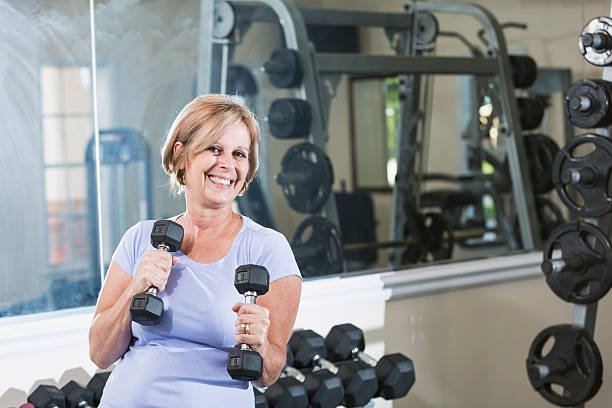
Cardio is great for heart health, but does nothing at all for actual muscle development. Strength training is required. Progressive resistance training (PRT) or lifting weights, resistance bands, and bodyweight exercises is the single most supported intervention for sarcopenia.
It directly induces muscle protein synthesis, activates fast twitch fibers and enhances neuromuscular function. Progressive resistance training should be performed 2–3 times per week. The focus has to be multi-joint, heavy compound movements such as squats, deadlifts and rows.
2. Eat More Protein
Because of anabolic resistance, you cannot eat a normal amount of protein and expect to build muscle. Anabolic resistance is counteracted by higher protein intake.
The recommended amount of protein per pound of ideal body weight is 1.0 to 1.2 grams per day. Moreover, make sure you are consuming sufficient amounts of the particular amino acid, leucine.
Leucine is the trigger that signals the body to construct muscle. It is recommended to eat leucine-rich foods such as whey protein, chicken or beef at all meals to turn on muscle production.
3. Manage Your Hormonal Environment
It is best to consult a functional medicine practitioner to balance hormones involved in metabolic processes. Vitamin D testing should be performed: severe Vitamin D deficiency is directly associated with muscle weakness. Also, check the levels of thyroid and sex hormones.
HRT can also support exercise to maintain muscle in women going through menopause or perimenopause. There is strong evidence that creatine monohydrate is effective in enhancing strength and lean mass when combined with resistance training in older females.
4. Aerobic Exercise
Aerobic exercise is not as effective for building muscle as resistance training but is beneficial for improving mitochondrial function in muscle cells.
5. Sleep & Recovery
During deep sleep (REM) when growth hormone is being released, protein synthesis is at its peak in the muscles. Chronic sleep loss (less than 7 hours) severely hinders muscle recovery.
This study revealed that women in their middle years who experienced poor sleep had a 27% higher risk of developing sarcopenia.
Bottom Line
Sarcopenia is a medical condition that is very predictable, preventable, and treatable. You have to break from the “calorie counting and cardio” health model. But your body right now is still capable of responding to the right stimulus. There’s no one age that’s too old to build, maintain and protect muscle.
Once you identify early sarcopenia symptoms and embrace heavy lifting and high protein diets, you can have strong a biological future in your 80s and 90s.
At Kairos Health and Wellness, Lola, one of our functional medicine practitioners specialize in age-management and metabolic health.
We utilize the latest body composition assessment techniques such as DEXA scanning to accurately diagnose early muscle loss and create a customized protocol to successfully reverse your sarcopenia.