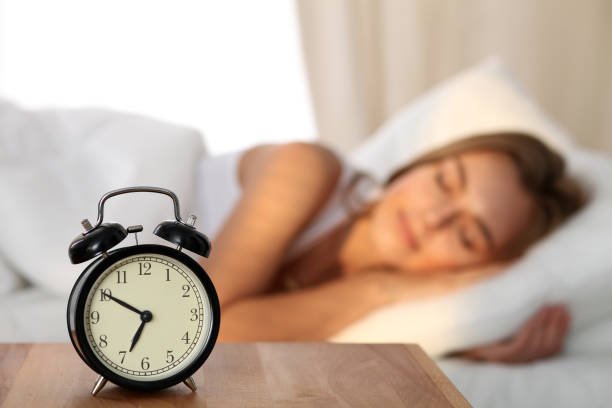
How is it that you can get eight hours of sleep and still feel tired when you get up? We are typically told that our lack of energy is due to our diets, our stress, or our hectic lives. But here is a far more unseen system that regulates the way your body functions.
Your body has an internal clock known as the circadian rhythm that is 24 hours long. It influences much more than your sleepiness. This is the rhythm of every big biological function of your body. The reality is that your body is not naturally geared to the world of artificial light and late-night screen time. It’s made to track the sun
If you are constantly battling with that natural design, the effect is more than just tired. Your cells are working differently when you are not sleeping as they should be. Your cells don’t work as they should when you are not sleeping properly, and that is why you are sick all the time.
What Disrupts Your Circadian Rhythm?
The word “circadian” comes from Latin words that mean “around the day.” It’s an invisible timer that continuously plays in the back of your head, instructing each cell in your body on what to do and when to do it.
For thousands of years, humans were in perfect harmony with this clock. Today, almost everything about the modern environment is working against a healthy circadian rhythm sleep cycle.
1. Artificial light
The biggest disruptor is certainly artificial light at night. Your body’s natural clock is designed for a world of day and night. One of the main signals the brain uses to determine the time is blue wavelength light.
At night, when you are exposed to bright lights, LED lights, and overhead fluorescents, your brain gives you a message that it’s still daytime. It blocks the hormone melatonin, which helps you prepare for sleep, and blocks your alerting systems at the same time they are supposed to be shutting down.
It leads to trouble falling asleep, shallower sleep, and an overall circadian drift that, over time, has a severe negative impact on health.
2. Irregular sleep
Irregular sleep greatly affect your rhythm. Your body gets used to your timetable. It starts preparing for sleep by lowering body temperature and increasing melatonin earlier than the normal bedtime. And it starts preparing you to wake by increasing body temperature and cortisol earlier than the normal wake time.
If you go to bed at noon on weekends and get up at 6 a.m. every weekday, you are essentially getting a weekly social jet lag, and all the negative effects on metabolism, mood, and health begin to stack up.
3. Eating at the wrong times
A newer and growing studied circadian disruptor is eating at the wrong time. Your digestive system also has its own clock, and it processes food at its best during the daytime when the insulin sensitivity is greatest, and digestive enzymes are most active.
Late-night meals trigger your digestive clock to function outside its normal schedule, which leads to blood sugar dysregulation, weight gain, and poor metabolic health.
4. Shift work
Shift work is one of the most extreme and well-researched types of circadian disruption. When your body’s internal clock is disrupted, this elevates the risk of cardiovascular disease and other health issues, including obesity, Type 2 diabetes, and high blood pressure.
Night shift workers are essentially asking their bodies to function on a permanently reversed schedule.
5. Stress
High levels of cortisol and stress directly disrupt your circadian rhythm. Cortisol levels are naturally low in the evening and high in the morning. Bur stress keeps your cortisol levels high throughout the night. This prevents you from releasing sleep hormone (melatonin) and disrupts your sleep even if you are lying in bed for eight hours.
Circadian Rhythm Sleep Disorder
Sometimes, a poor sleep routine is a bad habit that is easily resolved. But it may turn into a real medical condition. If your internal clock is totally out of sync with the outside world, you have a form of circadian rhythm sleep disorder.
There are a few different types, and knowing about them can help you determine that you may be having more than just a bad night’s sleep:
Shift Work Disorder: It occurs when you work at night, early in the morning, or when your hours change from day to night or from night to day. Your brain wants to sleep when it’s dark, and your job requires you to be awake. This leads to sleep loss and circadian dysfunction, which accumulates over the years and increases the risk of chronic diseases.
Delayed Sleep Phase Syndrome: This is a very common disorder in teenagers and young adults. It means your clock is shifted backward. You naturally feel wide awake until 3:00 AM and cannot wake up before noon.
Advanced Sleep Phase Syndrome: This is the opposite. Your clock is shifted forward. You may fall asleep at 7:00 PM and wake at 3:00 AM and you will not be able to sleep again. It is more prevalent in older people and is often confused with insomnia or early morning awakening from depression.
Jet Lag: When you cross time zones rapidly, and your internal clock is still in the time zone of your home city, but your new city has a different sunrise and sunset schedule. Some people may feel generally unwell, irritable, nauseated, and depressed, as well as sleepy.
Non-24-Hour Sleep-Wake Rhythm Disorder: This is less common but significant. In this disorder, the internal clock is unresponsive to the 24-hour cycle, and the sleep-wake schedule shifts gradually later each day. It tends to be more prevalent in individuals who are blind, and thus cannot get the light signals that normally keep the clock in check.
Too much coffee, sleeping pills, or forcing yourself to stay awake typically does not help people with a circadian rhythm sleep disorder.
Why Disrupting Your Clock Makes You Sick?
One of the worst things you can do for the body is to ignore the circadian rhythm. If your internal clock is thrown off for days, weeks, or years, it really does make you sick. This is what that does:
1. Weakens your immune system
Immune function is extremely circadian. During sleep, the body secretes certain proteins, called cytokines, which are involved in the defense against inflammation and infection.
When your body is not making enough of these protectors, you don’t get deep sleep, and your circadian rhythm is disrupted. That is why those who have night shifts or sleep badly fall ill more often.
2. Poor gut health
Your stomach and intestines have their very own mini-clocks as well. Your digestive tract understands exactly when to provide stomach acid, when to move food through it, and when to rest.
When the circadian rhythm is disrupted, it changes the microbiome in a way that causes more inflammation, less digestion, bloating, acid reflux, and painful tummy.
3. Messes with your hormone system
Growth hormone is essential for tissue repair, muscle maintenance, and metabolic well-being. It is released mainly during deep sleep, and its production is tightly regulated by the circadian clock. Testosterone, cortisol, thyroid hormones, estrogen, and progesterone all have circadian rhythms.
4. Affects your mental well-being
Circadian rhythms are essential for mental health. However, various aspects of modern life, such as shift work and excess light at night, can lead to a disruption of these rhythms and lead to a wide range of adverse mental health issues, like depression, anxiety, bipolar disorder, and schizophrenia.
5. High cardiovascular risk
Studies show that people who constantly disrupt their circadian rhythm have a much higher risk of high blood pressure, heart attacks, and strokes. Your heart must get some deep rest in order to reduce your blood pressure and heal your tissues.
If you do not allow your body to rest at all, your cardiovascular system is always under stress.
How to Reset Your Circadian Rhythm Sleep?
Your body clock is very resilient. If you’ve been binging on late nights and staring at screens for years, you can teach your clock to get back to normal. Here are some easy steps to take:
Morning light
The most powerful tool to fix your clock is natural light. Do not look at your phone on waking up. Step out and expose your eyes to natural sunlight for 10-15 minutes. This will immediately reset your master clock for that day and begin a healthy sleep countdown timer for that night.
Blue Light Fee Evening
Two hours before bedtime, begin to act as if the sun is setting. And turn off any bright overhead lights and use less intense, warm lights instead. Most importantly, put your phone and tablet away, or put them on night mode to block blue light. This is the easiest way to enjoy deep, peaceful sleep.
Eat on a Schedule
Don’t forget, your stomach has a clock, too. Try to eat your meals at the exact same times every day. A large breakfast, rich in protein, within one hour of waking up, helps to maintain a rise in cortisol during the morning. This helps to prevent and eliminate the blood sugar crash that often follows a poor breakfast. If going to bed, avoid heavy meals within 3 hours of sleep when in bed.
Cool Down Your Bedroom
Your body’s temperature decreases during sleep. When it’s too warm in the bedroom, the brain cannot get to deep sleep. Maintain cool, dark, and quiet in the room.
Follow the same schedule even on weekends
This one is the most difficult thing to do for most. But you can’t catch up on sleep on the weekend.
You get social jet lag if you have a different sleep schedule on weekends than during the week. You confuse your clock all over again. Try to set a 1-hour window for your wake-up and sleep times each day.
Exercise and time it well
Exercise is an effective circadian synchronizer. Morning and early afternoon exercise is beneficial for reinforcing daytime activity and promoting sleep at night.
If you do extreme exercise later in the day (2-3 hrs before bedtime), it will increase your core temp and cortisol and postpone sleep. It’s best to move your workout to the morning.
Light therapy for specific disorders
Light therapy is an evidence-based treatment for delayed sleep phase disorder, advanced sleep phase disorder, and seasonal circadian disruption. This involves using a light box with 10,000 lux to 30 minutes for a specific time each morning.
Light therapy may help adjust how much melatonin your body makes to reset your sleep-wake cycle. Light therapy is all about timing. You should work with a functional health provider who helps ensure that your approach is right for you.
Bottom Line
Circadian rhythm is a foundational pillar that helps in hormonal balance, metabolic health, immune function, gut health, mental health, and cognitive longevity. No amount of optimal nutrition, supplementation, or stress management will compensate for a chronically disrupted clock.
Patients who are unable to fall asleep before 1 a.m. could be suffering from a late circadian phase. This can lead to morning cortisol dysfunction, afternoon energy crashes, blood glucose instability, and mood instability.
At Kairos Health and Wellness, Lola, one of our functional health providers, looks at the root cause and creates a one-on-one personalized, easy-to-follow plan to reset your circadian rhythm.