

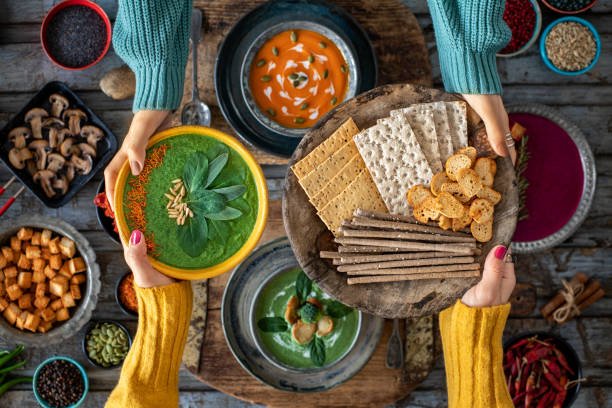
Are the gluten-free foods really helping your health? Gluten is a naturally occurring protein in wheat, barley, and rye. Eliminating it from your diet has become a huge craze, and influencers endorse it as a remedy for brain fog and weight gain. It is important to realize the truth about this trend.
The people who lose weight on this diet do so because they stop eating highly processed breads, pastas, and pastries, not because gluten itself is a fattening toxin.
Only for people who have autoimmune disease, severe stomach irritation, or Celiac disease, gluten-free food is a required treatment.
The Perks and Risks of a Gluten-Free Diet
The Perks:
In people with Celiac disease, non-celiac gluten sensitivity, or autoimmune disorders, such as Hashimoto’s or Rheumatoid Arthritis, gluten-free foods prevent the immune system from attacking the body.
The most profound benefits are decreased systemic inflammation, healing of chronic digestive disorders such as bloating and diarrhea, clearing of skin rashes, enhanced energy, and the reversal of nutrient deficiencies that stem from the leaky gut lining.
The Risks:
The risks occur when people rely on packaged gluten-free foods instead of whole foods.
A lot of gluten-free alternatives are processed foods. The wheat is typically extracted and replaced with the refined rice flour, tapioca starch, and additional sugar to enhance the texture and flavor of the product.
So, a normal “gluten-free” diet can actually cause higher blood sugar than regular wheat, resulting in weight gain, gut bacteria imbalance, and insulin resistance.
In addition, people who are on unsupervised gluten-free diets are more likely to experience iron, B-vitamin, and fiber deficiencies.
Who Really Needs Gluten-free Foods?
There are three main groups of people who truly need to stay away from gluten for good:
1. Celiac Disease Patients
This is a severe autoimmune disease. In people with Celiac disease, gluten causes the body to attack and damage the lining of the small intestine. These people are so sensitive that they get very sick even from a speck of gluten.
To avoid malnutrition, severe osteoporosis, and intestinal cancer, they should stick to a strict, 100% gluten-free diet for the rest of their lives.
2. Non-Celiac Gluten Sensitivity (NCGS)
There are millions of people who test negative for Celiac, but still experience a negative reaction to gluten. On eating it, they suffer from great swelling, pains in the joints, brain fog, and chronic fatigue.
Functional medicine recognizes NCGS as a real condition that causes inflammation and needs to be managed.
3. People with Autoimmune Conditions
If you have Hashimoto’s thyroiditis, Rheumatoid Arthritis, or Lupus, you should highly consider removing gluten. Studies indicate that the protein structure in gluten is similar to that of your thyroid and joints.
Your immune system goes into “molecular mimicry,” targeting gluten and then mistakenly targeting your own organs. If you remove gluten in this case, it reduces autoimmune flare-ups.
Not sure if gluten-free is right for you? Our Functional Care team can help you find out
Foods to Avoid Completely
Gluten is a naturally occurring protein in wheat, barley, rye, and triticale. When living with gluten, it’s important to completely avoid all varieties of these grains.
These are foods that you should steer clear of:
- All forms of wheat, such as durum, spelt, kamut, and farro
- Barley, or malt, which is used in making malt vinegar and beer
- Rye
- Traditional bread, pasta, cereal, baked goods, and pizza
There are also sources of gluten that you should be aware of, however. Gluten is a thickener and binder in many processed foods made by food manufacturers.
The following should be avoided to the extreme:
- Soy Sauce: Standard soy sauce is made by using wheat. Gluten-free tamari must be purchased specifically labeled gluten-free.
- Soups and Gravies: Gluten can be added to thicken canned soups and restaurant gravies.
- Processed Meats: Gluten can be found in many deli meats, hot dogs and sausage.
- Salad Dressings and Marinades: These often have hidden wheat-thickeners.
- Certain Spices: Some spice blends use wheat flour to prevent caking.
The Best Gluten-Free Substitutes
You should try to stay away from processed gluten-free alternative foods (such as white rice, pasta, and GF cookies) and eat more whole, gluten-free foods that are rich in nutrients.
These are the healthiest and best alternatives to use in your kitchen:
- Grain Substitutes: Use quinoa, brown rice, buckwheat (although it’s called that, it’s naturally gluten-free), or millet. These are whole grains that are fiber and protein, but not inflammatory.
- Flour Substitutes: For baking, instead of using nutrient-empty white rice flour, you should use almond flour, coconut flour, or cassava flour. Almond flour contains a lot of healthy fats and protein, thus helping to maintain a steady blood sugar.
- Vegetable Substitutes: To replace wheat noodles, you should use zucchini noodles (zoodles), spaghetti squash, or hearts of palm pasta. Cauliflower crusts or caps of portobello mushrooms are the best alternatives to pizza crusts. These replacements are great for digestion and a terrific way to get more vegetables into your diet.
How to Read Gluten-Free Food Labels
Don’t rely on the front of a food package. “Gluten-Free foods” may be displayed on the front of the package even in highly processed, sugary foods, as this is legally allowed.
So, you’ll need to flip the package over and read the ingredients and allergen statements. Here’s what you need to do when reading a label to make sure the product is safe:
1. Check for Certified Gluten-Free Seal
The gold standard is a third-party certification, such as from the Gluten Intolerance Group or the NSF. This implies the product has been tested independently and has less than 10-20 parts per million (ppm) of gluten. Dietary claims on the front of a package with no certification seal are self-reported by the manufacturer and are more likely to be cross-contaminated.
2. Scan the Allergen Warning
If you see the bolded “Contains: Wheat” statement in the ingredient list, that is because wheat is an allergen. When you see this, it is quite definitely not safe.
3. Check for Hidden Gluten Vocabulary
There are certain words in the ingredients that need to be identified as a sign of gluten. If you see one of the following words, you should immediately put the product back:
- Malt or malt extract from barley.
- Brewer’s yeast, which is a by-product of the beer-brewing process
- Barley or barley extract
- Any wheat starch, unless it is specially processed to remove the gluten, which is very uncommon
- Hydrolyzed Wheat Protein
4. Read the Cross-Contamination Warning
Just because the ingredients may seem safe, the fine print at the bottom of the label should be read. If it states “Made in a facility that also processes wheat”, it is not suitable for Celiac disease or a strong immune reaction. The machinery used to process the food could have trace amounts of wheat dust on it.
The Bottom Line
The gluten-free food lifestyle can make a huge difference in your health, inflammation and gut healing. However, you have to do it properly.
It is best to follow a diet of whole, unprocessed gluten-free foods like healthy proteins, vegetables, and safe whole grains, rather than snack foods.
By educating yourself about food triggers, healthy options, and how to read food labels, you can embark on this diet safely and confidently, taking control of your health.
At Kairos Health and Wellness, Lola, one of our functional medicine practitioners, specializes in gut health and autoimmune management. We do advanced lab testing to see if gluten is triggering your symptoms, and offer personalized nutritional plans to ensure you are replacing inflammatory foods with the right nutrients to heal your body.