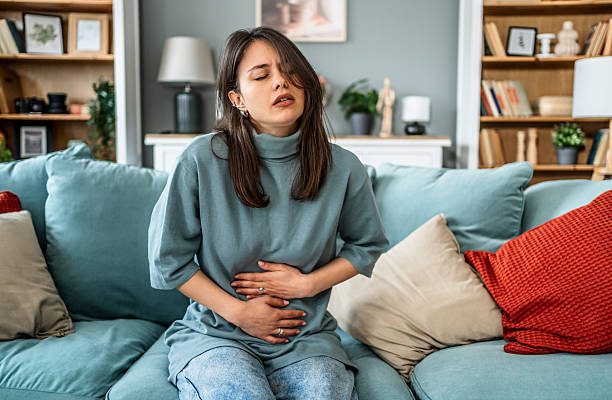
Why are you expected to just suffer through your period every month? For centuries, women have been told that these symptoms, such as severe cramps, nausea, and tiredness, are an inevitable part of being a female.
This cultural myth is precisely why something such as endometriosis is diagnosed after an average of 7-12 years, only because women treat the pain as it’s normal.
It’s important to realize that painful periods are a biological distress signal from your body, meaning there’s something out of balance. Painful periods are common in 50–90% of female adolescents and women of reproductive age, making it extraordinarily common.
What Are Painful Periods? Understanding Dysmenorrhea
The medical term used for painful periods is dysmenorrhea. This term is derived from Greek words meaning difficult monthly flow.
It describes your pain associated with menstruation. It is typically felt as cramping, pressure, or aching in the lower abdomen, lower back, and sometimes the thighs.
There are two distinct types of dysmenorrhea:
Primary dysmenorrhea is period pain with no underlying medical condition driving it. It is caused by the normal production of prostaglandins, hormone-like compounds produced by the uterine lining that cause the uterine muscle to contract and shed its lining during menstruation. It typically begins a day or two before menstruation and peaks on the first one to two days. It usually improves with age and often after childbirth.
Secondary dysmenorrhea is period pain caused by an underlying reproductive health condition. The most common include endometriosis, adenomyosis, uterine fibroids, or PCOS-related hormonal disruption. This type tends to be more severe and gets worse over time rather than improving.
Why Are Periods Painful?
Painful periods are not normal and may occur due to the following root causes:
Primary Dysmenorrhea
This is the medical term for common menstrual cramps that are not linked to any other disease. It usually starts right before or just as your bleeding begins, and the pain is mostly felt in your lower abdomen.
It is driven entirely by the prostaglandin. These compounds cause uterine contractions that are similar in intensity to those that cause early labor contractions in some women. They can also cause adjacent smooth muscle to contract, producing nausea, diarrhea, and vomiting along with severe period cramps.
It is widely seen that women with primary dysmenorrhea have measurably higher prostaglandin levels in their menstrual fluid than women without significant pain.
You shouldn’t have to just live with this. Our Women’s Health Services can help find the root cause.
Endometriosis
This is a condition where tissue similar to the lining of your uterus grows outside of the uterus, such as on your ovaries, fallopian tubes, or bowels. This tissue still responds to your monthly hormonal cycle. But it has no way to leave your body. It becomes trapped and causes severe local inflammation. Some common endometriosis symptoms include pelvic pain before your period, sharp pain during or after intercourse, painful bowel movements, and infertility.
Adenomyosis
This is similar to endometriosis, but instead of growing outside the uterus, the tissue grows into the muscular wall of the uterus. This causes the uterus to become enlarged, swollen, and highly tender. Adenomyosis is a leading cause of painful, heavy periods with large blood clots. In this, your uterus cannot contract efficiently to stop the bleeding.
Uterine Fibroids
Fibroids are non-cancerous growths of muscle tissue that form on or inside the wall of the uterus. As fibroids grow, they put physical pressure on the surrounding pelvic organs. They also increase the surface area of the uterine lining. This can lead to very heavy bleeding and prolonged, aching cramps.
Pelvic Inflammatory Disease (PID)
PID is an infection of the female reproductive organs. It is usually caused by untreated sexually transmitted bacteria. It causes widespread inflammation in the pelvis, resulting in pain during your period, during sex, and sometimes fever or unusual discharge.
PCOS
PCOS painful periods work differently from endometriosis. Polycystic ovary syndrome is a hormonal and metabolic condition. It disrupts the balance of estrogen, progesterone, and androgens, resulting in irregular or absent ovulation.
Does PCOS cause painful periods? PCOS is typically known for causing absent or irregular periods. Because in PCOS, your body does not ovulate on a regular basis. But when your period does arrive after months of a build-up, PCOS may cause painful periods. In PCOS, the period pain is present as pelvic pressure or discomfort.
Are Painful Periods a Sign of Good Fertility?
Painful periods are not a sign of good fertility. This is just a myth associated with strong menstruation. In fact, it can be due to an underlying condition that may affect fertility, such as endometriosis.
Underlying conditions that are responsible for severe period pain are also conditions that can significantly impair fertility. If pain is caused by an underlying condition like endometriosis, adenomyosis, PCOS, or uterine fibroids, these conditions can all negatively impact your fertility.
Signs Your Period Pain is Not Normal
You should not ignore your pain and see a functional medicine provider if your period pain:
- Causes you to miss work or daily activities
- Over-the-counter painkillers like ibuprofen don’t relieve pain
- Pain for more than 2-3 days
- Heavy bleeding every hour
- Pain during intercourse or bowel movements
If your period pain is affecting your life, it’s worth looking into. Click here to book a consultation with Lola.
Tests to Find the Root Cause
Your provider will try to evaluate your periods by ordering some specific diagnostic tests, such as:
- Pelvic Ultrasound: This is a standard imaging test that uses sound waves to create a picture of your uterus and ovaries. It is highly effective at finding uterine fibroids, detecting signs of adenomyosis, and checking for PCOS-related ovarian cysts.
- Comprehensive Blood Work: A functional provider will test your estrogen, progesterone, thyroid, and inflammatory markers (like CRP). If you have painful heavy periods, they will also check your iron and ferritin levels to see if the blood loss is causing anemia.
- Laparoscopy: If endometriosis is suspected, an ultrasound will not show it. A minor surgical procedure called a laparoscopy is the only definitive way to diagnose endometriosis and remove the abnormal tissue.
Natural Ways to Manage Your Painful Periods
1. Heat Therapy
A heating pad applied to the lower abdomen during painful periods has been shown in randomized controlled trials to be as effective as ibuprofen for reducing primary dysmenorrhea pain. You can use a warm pad or heat wrap continuously during the first one to two days of your period for consistent relief.
2. Ginger
Ginger is well-researched anti-inflammatory and anti-prostaglandin properties. Studies found that ginger was as effective as ibuprofen for reducing the severity of primary dysmenorrhea.
You can use it as:
- Fresh ginger in hot water as a tea
- Ginger capsules (250–500 mg taken 4 times daily during the first three days of menstruation)
- Ginger is added generously to meals
3. Exercise and Movement
Regular aerobic exercise that is maintained throughout the cycle reduces prostaglandin levels. Yoga specifically has evidence for dysmenorrhea relief. There are some poses that open the hips and pelvis. If you combine it with breathwork, this can highly reduce uterine tension and pain perception. Even 20–30 minutes of gentle yoga during painful periods provides measurable relief in most women.
4. Use Magnesium
Most women are deficient in magnesium because stress depletes it. Taking a highly absorbable form of magnesium, like magnesium glycinate, before your periods can smooth the muscle of the uterus and stop the spasms
Your period pain has a story to tell. Explore our Women’s Health Services for personalized care.
5. Apply Castor Oil Packs
This is a traditional naturopathic remedy that is highly backed by science. Applying a castor oil pack over your lower abdomen increases local blood circulation and stimulates lymphatic drainage. This helps your body clear out the excess inflammatory debris and trapped tissue that cause pain.
6. Medical Interventions
If you have underlying issues like large fibroids or severe endometriosis, natural remedies may not help you in this case. The common medical treatments to treat these include hormonal birth control or minimally invasive surgery to remove fibroids or endometrial implants.
Conclusion
You cannot treat painful periods with a single prescription and a follow-up in six months.
Some women are unsure whether their painful periods are connected to PCOS or endometriosis. Sometimes both conditions are present simultaneously. You can differentiate these as PCOS pain typically happens after a delayed, heavy period due to thick lining, while endometriosis pain is chronic and strikes days before your cycle even starts.
If you are suffering from painful periods, it is high time to get evaluated.
At Kairos Health & Wellness, Lola, one of our functional health providers, figures out exactly what is causing your monthly suffering and builds a personalized plan to heal your cycle.
For any questions or concerns, call us today!