

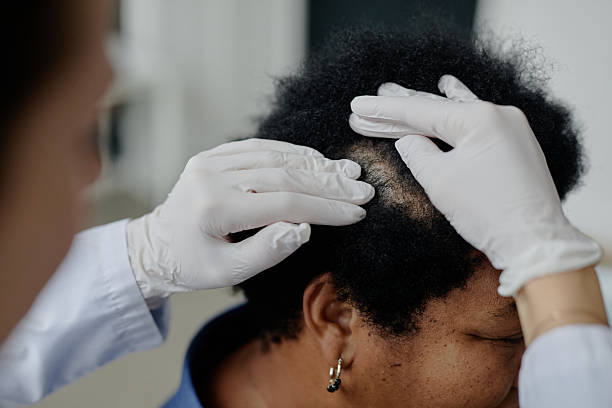
Hair is the fastest-growing tissue in the human body and is very sensitive to internal changes. Your follicles need a tremendous amount of energy, oxygen, and raw materials to operate normally.
At this time, the clinical data reveal that the hair loss rate in women has increased dramatically and is occurring at a considerably lower age than ever before. Your hair is connected to who you are, how you feel in your own body, and your confidence, so it’s a big deal when you notice thinning hair or when you start to lose a few strands during your shower.
If you want to prevent hair loss, you must look beyond the mirror and know what causes hair loss in women.
How Does Your Hair Actually Grow?
There are three stages in which your hair grows. Anagen is the active growth phase that occurs during 2-7 years. The Catagen stage is a brief, 2 week transition period. The Telogen phase is the resting phase where the hair separates from the blood supply and falls out.
About 10% of your hair is in the resting and shedding phase at any given time. Hair loss happens when a significantly higher number of hair follicles stop growing and enter the shedding stage of the cycle or when the growth period is greatly reduced.
Normally, about 85 to 90% of the hair follicles are in the anagen phase of growth, and 10 to 15% are in the resting phase (telogen). This is why losing 50-100 hairs a day is perfectly normal, as they’re simply shedding as part of their natural cycles.
The Scalp Microbiome
When it comes to hair loss in woman, the majority of the articles only focus on hormones and nutrition. However, new studies released in 2026 have revealed one thing that most women don’t know that the scalp microbiome has a direct effect on your hair loss.
Your scalp is as unique as your gut and has billions of bacteria and fungi living in it. The right balance of these microbes provides your hair with a healthy environment for growth.
Recently, DNA sequencing technology has been used to identify measurable dysbiosis of the scalp microbiome in androgenetic alopecia. This imbalance does not only occur where the hair is thinning in specific patches. It affects all over the scalp and results in extensive hair loss.
A scientific study found that women with the genetic type of hair loss have less of a particular type of fungus on their scalps, called Malassezia. It may sound weird, but when you lose a fungus, it is a bad thing because it causes low-grade inflammation in your hair follicles. The inflammation makes the process of hair fall even more rapid than it already is, damaging the hair follicles even more.
This is a completely new way to look at female hair loss. When a woman experiences an itchy, flaky, or chronically tight and inflamed scalp, it is a part of the problem.
Real Causes of Hair Loss in Women
The following are the causes of hair loss in women that current research points to as being most significant.
1. Hormonal Shifts and Hair Loss in Women Over 40
Estrogen and progesterone are hormones that promote the natural condition of your hair, in which they remain in the long growth phase. These hormone levels decrease considerably as women get older and start perimenopause. This reduction actually prevents the hair from growing back and speeds up the process of its falling out. This is exactly why hair loss in women over 40 is so common these days.
Thyroid dysfunction can also cause hair loss. Research indicates that even minor thyroid dysfunctions of the thyroid gland have a direct effect on the hair growth cycle, resulting in diffuse hair loss throughout the entire scalp.
Additionally, it is found that postpartum hair loss is another huge hormonal trigger; however, it impacts just younger females. Once the delivery occurs, a tremendous drop in the level of estrogen occurs, and all the follicles that were in the growth phase enter the resting phase at once. This leads to the dramatic shedding that many new moms experience around 3 months postpartum.
2. The DHT Connection
Many women are surprised to learn they have androgen (male hormone) receptors on their scalp. When the body experiences chronic stress (increased cortisol) or circumstances such as PCOS, it may result in an overproduction of testosterone. An enzyme in the skin turns this testosterone into Dihydrotestosterone (DHT).
DHT is aggressive towards the follicles, causing them to constrict and become unable to produce new hair. This is one of the common triggers of hair fall in women that is often missed.
3. Androgenetic Alopecia
Androgenetic alopecia is the most common type of hair loss. It’s commonly referred to as male pattern baldness or female pattern hair loss. It is estimated that it affects 40 percent of women by age 70 and more than half of women by age 80. Female pattern hair loss typically involves thinning hair on the crown of the scalp and a wider part in the crown, with a relatively intact hairline at the front of the scalp, unlike male pattern hair loss, where the hairline recedes and the crown becomes bald.
This female pattern hair loss is hereditary and can be inherited from either parent’s side of the family. It usually appears after menopause. And sometimes it can begin earlier in some women.
4. Iron Deficiency and Nutrient Deficiencies
Iron deficiency is the most common cause of hair loss related to a nutrient deficiency. However, standard blood tests look at hemoglobin, which only checks for anemia. You can have a perfectly normal hemoglobin level but still have severely low ferritin (your stored iron).
Even though the normal range for ferritin is considered to be 12 ng/mL, research indicates that the shedding of hair starts to accelerate when ferritin levels drop below 50 ng/mL.
You also need adequate Vitamin D, B12, and zinc to grow hair. Vitamins for hair loss in women will only be effective if there’s a deficiency that’s been diagnosed with a blood test.
5. Chronic Stress + Telogen Effluvium
When you experience extreme emotional stress, surgery, or a major illness, your cortisol goes up. In fact, a fascinating study revealed that high cortisol levels prematurely exit the hair follicles from the growth phase. This condition is called Telogen Effluvium, and it usually causes handfuls of hair to fall out two to three months after the stressful event. Telogen effluvium is caused by metabolic or hormonal stress.
Its common triggers are:
- childbirth
- significant weight loss
- major surgery
- severe illness or infection
- high fever
- extreme emotional stress
- rapid changes in thyroid hormone levels
This cause of hair loss in women is that telogen effluvium is usually temporary. Your hair will regrow within six to nine months after the triggering stressor has ended.
6. Polycystic Ovary Syndrome (PCOS)
PCOS occurs in about 1 in 10 women of reproductive age. It is one of the important factors that cause hair loss in females, especially male pattern hair loss.
In people with PCOS, high levels of androgen can lead to androgenetic hair loss by the same miniaturization of follicles.
7. Medications
Several medications list hair loss as a side effect. This includes
- Some blood pressure drugs
- antidepressants
- Retinoids
- anticoagulants
- Chemotherapy agents.
- Hormonal birth control, both starting it and stopping it
Even these can cause temporary telogen effluvium in sensitive women.
8. Traction Alopecia: Hair Styling Practices
Traction alopecia is hair loss that occurs when hair is pulled repeatedly, such as by consistently pulling hair into tight ponytails, braids, weaves, or extensions. This type of hair loss in females is mechanical in origin and can be permanent if the pulling goes on for a prolonged period, which causes scarring of the hair follicles.
How to Stop Hair Loss in Women Naturally
The only way to prevent the shedding is to get to the root cause of hair loss in women. Here is how to do it:
1. Adjust Your Iron and Ferritin
Before beginning any regimen, discover what’s really causing your hair loss. Ask your doctor to test your Serum Ferritin. If it is below 50 ng/mL, you need to rebuild your iron stores. Eat red meat, liver, and dark leafy greens. Serve with vitamin C-rich foods to boost absorption!
2. Block DHT Naturally
Natural blockers can be used if you have a high level of androgens. Clinical studies have found that the extract of saw palmetto and pumpkin seed oil can help block the enzyme that converts testosterone into DHT, which can damage hair follicles.
3. Balance Your Blood Sugar
When insulin is too high, your ovaries overproduce testosterone. You will lower insulin by avoiding both refined sugars and processed carbohydrates, and this will directly lower your testosterone while protecting your hair.
5. Use the correct vitamins for women’s hair loss
After your doctor determines your levels, use supplements wisely. If ferritin is low, most patients with hair loss require high-quality methylated B12, Vitamin D3, and a highly absorbable iron bisglycinate.
Bottom line
Most women overestimate or underestimate their hair loss because it is difficult to determine by touch. It’s important to monitor the shedding pattern so you don’t have to make any guesses. Take photographs of your part line in the same lighting every month, count the hairs that remain in your shower drain, and provide your doctor with real data.
For hair loss in women over 40, the typical treatments include minoxidil for women, which works by encouraging blood circulation to the scalp, but it is a temporary solution. But, long-lasting hair restoration can only be achieved by identifying the cause. If you see any of the following sudden, rapid shedding, hair thinning in round patches, or hair falling out with scalp pain, itching, or redness, seek medical assistance immediately.
At Kairos Health & Wellness, Lola, one of our functional health providers, will run advanced lab work to find the exact reason your hair is shedding and build a personalized, easy-to-follow plan to balance your hormones naturally.
If you have any questions about your hair health or you want to get to the root cause of your hair shedding, contact us!