
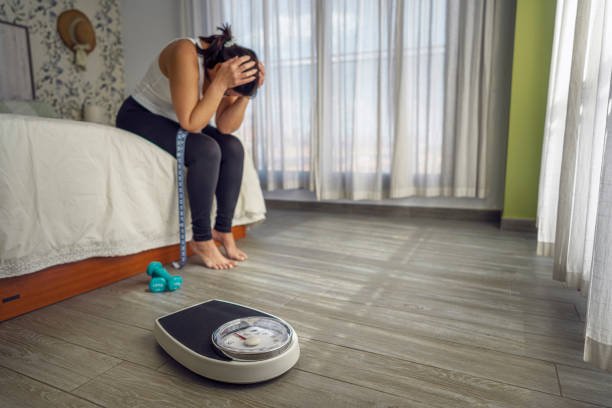
Are you struggling to lose weight, despite doing everything possible? If you are in your late 30s or 40s, then this could be the perimenopause weight gain.
According to studies, 60-70% of women tend to gain weight in their midlife, and this is normally around the abdominal region. Women can gain an average of 0.5 to 1 pound every year. This is possible without any significant changes in diet and exercise.
However, here is a lesser-known fact that weight loss may also occur among certain women, particularly when there is a significant loss in muscle or even an alteration in appetite.
At this stage, you may see changes in your hormone levels, especially estrogen and progesterone. These changes can reduce your metabolism, store more fat (particularly belly fat), and make it extremely difficult to lose weight as compared to before.
At Kairos Health and Wellness, we meet women who are going through this same frustration every day. Let’s find out how to lose weight in perimenopause scientifically.
What Causes Perimenopause Weight Gain?
To fix the problem of weight gain, you have to understand it. You are not gaining weight due to old age. You are gaining weight because your hormones are changing.
Your hormone especially estrogen fluctuates in perimenopause. It has been observed that when estrogen levels fall, the body will find ways to store fat, notably in the belly area.
Research indicates that women in perimenopause can become slightly insulin-resistant, i.e., your body’s potential energy in the form of glucose gets stored as fat.
Perimenopause is also stressful. When your stress hormone, known as cortisol, is high, your body will fight to prevent weight loss. This hormone, especially, tells your body to store more fat in your abdomen to protect vital organs.
Functional Ways to Lose Weight in Perimenopause
You can lose weight at this stage, but the dieting and exercise plans that have existed in your 20s cannot apply here. Your body is no longer responsive to severe calorie restriction.
These are some of the blueprint that really helps you to lose weight in perimenopause.
1. Start Prioritizing Protein Again
If you eat less and do severe calorie restriction, this can increase cortisol, which further increases belly fat. If you don’t get enough protein, not only will your body break down its own muscle for fuel, but this will also make your metabolism even slower.
A protein-rich diet is a go-to method to preserve muscle mass and help you to stay fuller for a longer period of time.
Try to eat protein such as eggs, chicken, fish, lentils, and yogurt in every meal. Eat 25 to 30 grams of high-quality protein at every meal. Just so you know, if you weigh 70 kg, you should be taking in around 70-85g of protein daily.

2. Shift Your Carbohydrates to Later in the Day
In perimenopause, your body is more sensitive to insulin in the afternoon and evenings, rather than in the morning. So, rather than avoiding carbs completely, it’s good to shift their timing.
Replace your morning bagel or your morning cereal with a high-protein breakfast. Eat your starch-rich meals, such as sweet potatoes, rice, and oatmeal, with your dinner.
Another way is to combine your carbs with protein and some healthy fats. As a result, sugar gets into the bloodstream at a much slower rate, which eliminates the chances of insulin spikes and fat storage.
3. Do Regular Strength Training
Doing cardio will definitely benefit your heart, but it won’t be the solution for a slow metabolism.
You are at risk of losing muscle mass, which means that you have to actively build it. Muscle is an active metabolic organ, and it continues to burn calories even when you are just inactive on the couch.
According to a 2017 study, resistance training had a large effect in reducing belly fat and enhancing insulin sensitivity in postmenopausal and perimenopausal women.
In order to strengthen your muscles, you will need to lift heavy weights and carry out full-body strength training such as squats, deadlifts, push-ups, and rows twice or thrice a week.
If you have no experience with these exercises, it is recommended to get the help of a fitness instructor for a few sessions so that you can learn the correct technique.
4. Balance Your Hormone Through Food
You can use food to balance your hormone changes. There are foods that can help your body metabolize estrogen, reduce inflammation, and help you lose weight in perimenopause.
- Cruciferous Vegetables: Vegetables like broccoli, cauliflower, Brussels sprouts, and cabbage have a substance called DIM (diindolylmethane). DIM assists your liver in metabolizing and getting rid of excess estrogen, which is a major factor in losing belly fat.
- Ground Flaxseeds: Flaxseeds contain high amounts of lignans, which are capable of slightly adjusting your estrogen levels. You can add two tablespoons of ground flaxseeds to your yogurt or smoothie daily for best results.
- Healthy Fats (Omega-3s): Since your hormones are made from fat, it is necessary to have a sufficient amount of good fats in your diet. Sources of healthy fats are avocados, olive oil, walnuts, and fatty fish such as salmon. These help to reduce inflammation and promote a healthy metabolism.
It is important to make sure that half your plate at lunch and dinner is covered in leafy greens and cruciferous veggies, and add a daily scoop of ground flaxseed to your routine.
5. Get A Quality Sleep
Sleep is a commonly neglected aspect, but it significantly influences your weight. Lack of sleep has been seen to induce hunger hormone levels, such as ghrelin. Besides that, it raises the level of cortisol in the body, which encourages fat accumulation.
So, getting 7 to 8 hours of sleep a day should be your topmost priority. It has been seen that women who do not sleep well during perimenopause tend to find weight loss difficult.
Consume foods that are high in magnesium, like spinach, pumpkin seeds, and dark chocolate, to calm your nervous system naturally at night.
However, if you are still having trouble sleeping, taking a magnesium glycinate supplement of high quality before bedtime can be very effective.
6. Do More NEAT
If you’re sitting at a desk all day and doing one 45-minute workout, then technically you are active. But it is still considered sedentary.
NEAT means all the calories you burn by just moving around during the day, for example, walking, cleaning, fidgeting, and taking stairs. Don’t depend on your workout at the gym to be the only way to burn calories. Try to get 8,000 to 10,000 steps a day.
Do walking when you are on phone calls, park at the furthest spot in the lot, and take a 15-minute walk after meals.
Research has proven that this little habit can drastically reduce blood sugar spikes and help in weight loss.
Let Us Help You in Texas
If you are already doing all the “right” things, but still not seeing results, it means there are some deep issues like thyroid disease, extreme estrogen dominance, or the adrenal glands’ fatigue, which will necessitate professional testing and targeted interventions.
You don’t have to do this on your own if you live in Texas or the adjacent areas. At Kairos Health and Wellness, Lola, one of our functional nutrition practitioners, uses advanced lab testing to find out exactly why your body is holding onto weight and create a medically supervised plan to get your hormones back on track.
For the best perimenopause-friendly meal plans tailored to your unique lab results, reach out to us so you never have to guess what to eat again.