
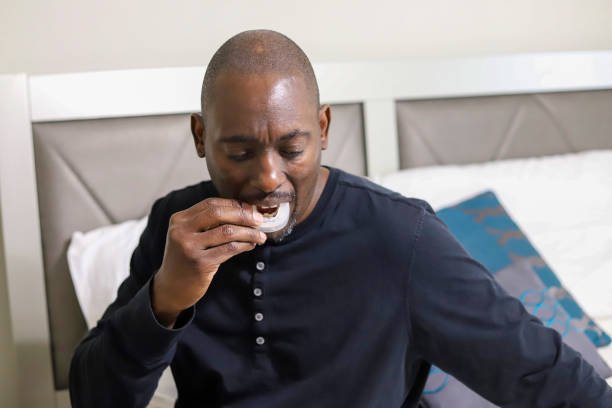
Sleep apnea is no longer a condition that is unfamiliar or neglected. It ranks among the rapidly spreading sleep disorders in the United States with an estimated prevalence of 25-30 million adults with many among them going undiagnosed.
In most cases, doctors recommend CPAP therapy after a diagnosis. Although CPAP is effective, numerous individuals find using it difficult on a regular basis because of discomfort, noise or difficulty sleeping with a mask. In the market, sleep apnea mouthpieces are getting popular day by day. These devices are also referred to as oral appliances or sleep apnea mouth guard. These devices support breathing when the person is asleep and they are usually prescribed to individuals who cannot tolerate CPAP.
In this guide, we will cover what the research says, how the mouthpieces compare to the CPAP work and their potential benefits and risks.
What Is a Sleep Apnea Mouthpiece?
A sleep apnea oral device is a small oral device that you insert in your mouth to ensure that your airway remains open as you sleep. They are used by healthcare providers as a treatment for obstructive sleep apnea (OSA). OSA can cause many severe health complications and is life-threatening when left untreated.
Unlike CPAP machines, mouthpieces do not push air into your lungs. Rather, they use physical positioning to maintain your breathing process during night.
Because of their simplicity, many people find them more convenient and easier to tolerate as compared to CPAP and more convenient for travel and daily use.
It has been clinically shown that oral appliances are capable of decreasing apnea episodes in some individuals, especially in individuals with mild to moderate obstructive sleep apnea. However, their results may vary depending on your anatomy, muscle tone, and lifestyle factors.
Common Types of Sleep Apnea Mouthpieces
Sleep apnea mouthpieces come in different types to help keep your airway open during sleep. These dental appliances are aimed to treat underlying structural conditions contributing to the onset of your obstructive sleep apnea, including a small lower jaw or a tongue falling back in your throat. Each type addresses the specific area and your healthcare provider will help you to choose the right one that suits you.
1. A Mandibular Advancement Devices (MADs)
MADs are the most common type. A mandibular advancement device is also called a mandibular repositioning device (MRD), and mandibular advancement splint (MAS), and is a device that relocates your lower jaw forward.
It works by pushing your lower jaw in front slightly, narrowing your air passage and makes it impossible to collapse. MADs further come in two different designs. They are of one piece or two piece design.
One-piece designs work by fixing both your upper and lower jaw in one place. It doesn’t allow your mouth to move much which may be very restrictive to some individuals.
On the other hand, two piece design has two separate pieces for your lower and upper jaw, giving you more flexibility for movement. Due to this, two-piece MDs might be more comfortable to some individuals.
The studies published in the sleep medicine journals indicate that MADS can significantly decrease the scores of the apnea-hypopnea index (AHI) in individuals with mild-moderate sleep apnea. They can also manage your other symptoms like snoring, daytime fatigue, and sleep quality.
2. Tongue Retaining Devices (TRDs)
Tongue retaining device is used to fix the tongue ahead using mild suction technique. This can help prevent your tongue from blocking the airway, particularly in individuals who have tongue related apnea.
The tip of a TSD remains out of your mouth. Similar to MADs, TSDs keep your airway open by pushing the bottom of your tongue forward. It looks like a pacifier, but rather than biting or sucking, you sick your tongue into the machine and establishes a sucking motion to hold your tongue in place
It is a good alternative to those whose teeth are not strong enough to secure a MAD in place can use TSD instead. But some users find it less comfortable because the suction method may produce slight soreness of the tongue or drooling during the night.
All sleep apnea mouthpieces function differently and this is the reason why customization is very important.
Do Sleep Apnea Mouthpieces Work for Everyone?
Most research showed that sleep apnea mouthpieces reduce breathing pause, improve oxygen levels, and decrease snoring as well as daytime sleepiness among a significant number of patients.
It may or may not work for everyone as it highly depends on your needs, the severity of your OSA, anatomy and your comfort preferences.
They tend to work best for:
- Mild to moderate obstructive sleep apnea.
- Users who have airway obstruction due to the collapse of the jaw or tongue.
- Users who mainly sleep on their backs.
- Users who are not obese
They are not as effective as CPAP because CPAP significantly reduces AHI level and offers better control of sleep apnea.
Sleep apnea mouth guards can help you out if you are one of those you dislike PAP therapy or just find it difficult to always use PAP therapy. They are comfortable, non-invasive, portable, easy to use and maintain and are extremely functional without the need of power supply.
However, they do not work well with severe sleep apnea, central sleep apnea, or those that are caused by severe metabolic or inflammatory dysfunction.
How to Choose the Best Mouthpiece for Sleep Apnea
Choosing the best mouthpiece for sleep apnea depends on how you are diagnosed, position of your jaw, your comfort levels and treatment goals. When purchasing any mouth guard, it is important to make sure to confirm whether you have obstructive sleep apnea (OSA), central sleep apnea or primary snoring. You can go for a sleep study, which is the best method to identify the type and severity of your condition.
The custom-designed apnea devices developed by professionals are known to be more effective compared to the over-the-counter devices present in the market. And the most interesting thing you can purchase these custom-fit appliances without any prescriptions and even those with boil and bite features where you can make a tooth print. While the sleep apnea mouth pieces are ideal choice for you if you have mild sleep apnea and looking for a more comfortable option.
When buying a sleep apnea mouth piece make sure to consider:
- Adjustability for gradual jaw movement
- Comfort for long-term wear
- Easy to adjust if symptoms change
Don’t go for non-adjustable devices because they either don’t open the airway enough or cause jaw pain.
Side effects like jaw pains, changes in your bite or teeth movement should also be monitored when using any oral device. Your medical care giver can guide you on what is good to you based on your jaw and breathing patterns.
Functional Medicine View on Mouthpieces
Sleep apnea mouth-pieces are clinically studied tools for supporting your airway during sleep. They are better and flexible in terms of comfort, durability, and effectiveness.
Holistically, mouthpieces can help in managing your airflow, but they do not resolve root causes such as excess weight driven by insulin resistance, chronic nasal inflammation or poor gut health affecting your systemic inflammation or hormonal imbalances.
This is the reason why functional medicine treats sleep apnea as a whole-body disease. Sleep apnea mouthpiece can help you to have a better breathing pattern, but in the long run, you might need to work on your metabolic health, stress control, and lifestyle habits.
Bottom Line
Sleep apnea mouth-pieces may be a good alternative to many individuals who have difficulties using CPAP. These devices offer a non-invasive, lifestyle-friendly option that may significantly improve your sleep quality and breathing.
Many people tolerate mouthpieces well, especially when they are properly fitted. Some people may see mild side effects may include jaw stiffness, excessive salivation, or temporary bite changes.
If you’re unsure which treatment option makes sense for you, or need help with diagnosis, testing, or choosing between CPAP and alternatives, we’re here to help.
Lola, one of our experienced functional nurse practitioners at Kairos Health and Wellness Texas, reviews your symptoms, sleep quality, and anatomy, to give you the best solution that will work for you.