
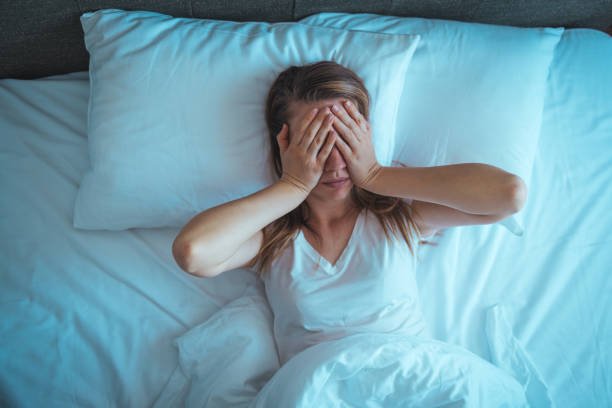
Sleep apnea has been considered to be a men-only condition. This leads to women often being under-diagnosed, mis-diagnosed or informed that their symptoms are due to either anxiety, aging, or changes in their hormones alone.
Obstructive sleep apnea (OSA) or a sleeping disorder, in which your breathing process slows down or stops during sleep. It is experienced by almost 10 percent to 15 percent of U.S females and many females in Texas experience these symptoms without knowing the main cause.
This is why it is extremely important to diagnose and treat the OSA individuals of the female gender. We will discuss the most typical symptoms of sleep apnea in women and the reason why they are often misdiagnosed.
Why Sleep Apnea Looks Different in Women
Many clinical research indicated that obstructive sleep apnea (OSA) women are different in terms of symptoms and sleep research compared to men. The symptoms of sleep apnea in women are mostly not dramatic but are more gradual and non-specific.
During sleep, women have less chance of experiencing a complete airway collapse. Rather they usually experience partial airway constructions, which recurrently interrupt sleep but without any dramatic pauses in breathing patterns.
Also, women tend to wake up more quickly when breathing becomes restricted. That is why women don’t experience any choking rather they deal with chronic sleep fragmentation.
When diagnosing sleep apnea in women, sleep studies often focus on apnea-hypopnea index (AHI) and oxygen desaturation levels, underestimating severity in women. That’s why women usually feel unwell while their sleep study indicates everything is fine.
Below are the common signs of sleep apnea in women that are often mistaken for other health conditions.
1. Daytime Fatigue and Laziness
The most common symptom experienced by women is daytime tiredness and fatigue. Women usually complain of being tired but wired or exhausted even after spending a complete night in bed.
Individuals who have OSA experience a variety of mini-awakenings during the night, and it may result in poor quality sleep and fatigue during the day. This might also lead to excessive sleepiness during the day particularly during activities like sitting in a meeting.
Sleep apnea prevents your body from the deep restorative sleep stages. Due to this, the brain and muscles do not get a complete rest during night. This results in poor energy, loss of motivation, and a perpetual feeling of burnout throughout the day.
This should not be considered as normal fatigue. It actually disrupts your daily lifestyle and causes serious health consequences.
According to functional medicine, this continued fatigue is a sign of chronic nervous system stimulation and. reduction in cellular repair.
2. Morning Headaches or Migraines
Many women with sleep apnea wake up with a headache, head pressure, or with a heavy feeling behind the eyes. These headaches usually ease out during the day and hence most women overlook them as tension headaches.
If you have frequent morning headaches, it may be a valuable indicator that your breathing is not optimal during the night.
3. Mood Swings
Poor sleep has a direct impact on your mood and emotional health. Women with untreated sleep apnea struggle with frequent mood swings, nervousness, irritability,or lack of interest in everyday activities.
Since these symptoms are often similar to depression and anxiety disorders, sleep apnea is often misdiagnosed.
Some growing research also showed that woman with sleep apnea are more likely to develop mental issues including suicidal thoughts. Therefore, they should receive emotional and psychological support in addition to medical care.
4. Brain Fog or Poor Memory
Lack of sleep disturbs overall brain functioning and memory. Women with apnea experience difficulty in words, forget simple things or be mentally hazy. Sleep apnea in women is not just a simple sleep issue, it can affect your brain chemistry and leave you feeling drained throughout the day.
Poor memory and mental fatigue can affect work performance, decision-making, and self-confidence. This can feel especially overwhelming for women who are balancing careers, caregiving, household responsibilities, and family life.
5. Hormonal Imbalances (A major Risk Factor)
Sleep is very important for hormone regulation. In cases of disturbed sleep the balance between estrogen, progesterone, cortisol and insulin is disturbed. The women with sleep apnea can observe symptoms like:
- Painful PMS symptoms
- Irregular cycles
- Hot flushes
- Night sweats
- More Stress
The progesterone hormone that helps in maintaining your airway stability, starts declining during the perimenopause and menopause. This decline in hormones makes a woman more vulnerable to sleep apnea.
It is also reported that around 5-10% of women going through menopause are at more risk of developing sleep apnea later in life.
This is the reason why sleep apnea occurs more frequently in mid-life and gets misdiagnosed even in women who have not gained or lost weight.
6. Snoring
Snoring is a leading sign of sleep apnea and is mostly common in men. But snoring is also seen in women during pregnancy, perimenopause or menopause, which may be an indication to apnea.
It is important to remember that not every woman who is snoring has sleep apnea. However, new or more intense snoring cannot be neglected.
Snoring occurs when the airway gets tightened due to hormonal changes, inflammation or weight changes. Some women may also experience choking or gasping as a symptom of apnea If your snoring starts later in mid life and you see that it comes with daytime symptoms, then it may be an early sign of apnea.
7. Restless Legs
Restless legs syndrome is a completely different condition but we have seen a lot of women with sleep apnea that complain they have an unpleasant feeling of restlessness in their legs at night.
This can have a tingling, pulling or an itching desire to move the legs to relieve the situation. This restlessness can be more intense during puberty, pregnancy or menopause when your sleep and nervous system is already delicate.
When to Talk to Your Doctor
When you have any of the symptoms mentioned above and find that they are not improving with healthy habits, then it may be the time to see your healthcare provider. Note down all your current symptoms and share it with your provider, even if they are not related to sleep.
Untreated sleep apnea can cause serious health diseases like high blood pressure, heart disease and stroke, type 2 diabetes, or brain disorders. This is why prompt diagnosis and treatment is very critical to enhance the quality of sleep and minimize future health risks.
If you live in Houston, Sugarland, or anywhere across Texas, our team at Kairos can help you to find out what’s going on behind the scenes.
What to Do If You Get Diagnosed With Sleep Apnea
In case you are diagnosed with sleep apnea, CPAP (Continuous Positive Airway Pressure) or BiPAP (Bilevel Positive Airway Pressure) machines are the most popular and highly recommended by providers. These machines produce air pressure by use of a mask to ensure that your airway remains open as you sleep.
In addition to these devices, you must change some habits in order to get the best out of treatment:
- Sleep on your side to ensure that the airway does not block.
- Lie on your side to ensure that the airway does not block.
- Minimize stress, anxiety and emotional load through simple activities, like deep breathing, stretching or journaling.
- Do not take alcohol, particularly at night.
- Stick to your treatment plan regularly.
- In case you use a CPAP mask, make sure you have a well-fitting mask. There are some comfortable masks that are women friendly.
Bottom Line
Sleep apnea in women is becoming extremely widespread and snoring and feeling sleepy during the day are the main signs of OSA. Women with apnea often have other symptoms, such as trouble sleeping, morning headaches, and feeling sad.
When sleep-related concerns continue for months or start interfering with daily life, it is important to move beyond guessing and toward clear answers. One of the most effective next steps is a sleep study. You can go for sleep studies that are far more accessible than many people realize, including at-home options that track breathing patterns, oxygen levels, heart rate, and sleep stages in a comfortable setting.
At Kairos Health and Wellness, we take a holistic approach to treat the apnea as a whole. Lola, one of our experienced functional nurse providers, works closely with patients to understand their unique symptoms and health patterns.
If you’re experiencing ongoing sleep concerns or would like guidance on next steps, reach out to our expert team for next steps.