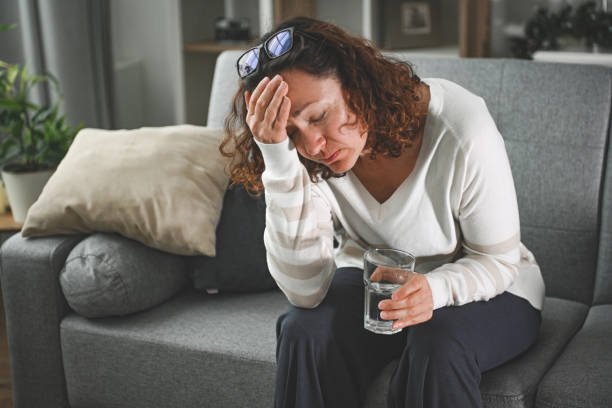
Perimenopause is the period before menopause in the reproductive life of a female. It normally begins when you are in your late 30s or early 40s. It might be the most confusing time of your life. During this stage, your hormone levels, mainly estrogen and progesterone, fluctuate and slowly decrease.
The changes can not only disrupt your menstruation, but they can also impact your mood, sleep, metabolism, and even your joints and skin.
Unlike menopause, which is a definite event that refers to the permanent stopping of your periods, perimenopause is a transition that occurs before menopause.
Perimenopause symptoms are so erratic that many women do not know what is going on, and sometimes even the doctors.
How Perimenopause Affects Your Body
During perimenopause phase, hormone production from the ovaries becomes highly erratic.
Estrogen levels can go up very high or down very low unexpectedly. Progesterone is usually the first one to decrease, and other hormones such as cortisol and thyroid hormones also may change in response.
The shifting of these hormones may cause a lot of changes in different parts of your body, such as:
- Reproductive system: Your menstrual cycles will no longer be regular. Sometimes they will be heavier and at other times lighter.
- Metabolism: Changes in blood sugar, how your body fat is stored, and the areas where you put on weight are some of the things you may become aware of.
- Nervous system: Mood changes and sleep problems can be the result of hormone level changes, affecting your memory or focus.
Common Perimenopause Symptoms
Perimenopause is an individual thing. There are no two women who experience it the same way. These variations are due to genes, lifestyle, level of stress, and health in general. To make these changes easier to cope with, it is important to be aware of what is going on in your body.
1. Irregular Periods and Heavy Flow
This is the first sign of perimenopause. Your cycle may become shorter, longer, heavier, or lighter. This is because ovulation becomes inconsistent with a decrease in progesterone. You may skip a couple of months and then have one periodical. Flow may be heavy, light, or vary monthly. Light spotting between periods may also be observed by some women.
Such patterns will occur throughout the period of perimenopause and are thought to be a hallmark symptom of the period. Studies also show that up to 90% of women experience cycle irregularities before menopause.
The transition to menopause can last several years, sometimes 4–8 years, irregularity in periods can start long before menopause starts.
2. Night Sweats and Hot Flashes
The most prevalent signs of perimenopause include night sweats and hot flashes. They are also known as vasomotor symptoms since they are associated with variations in the control of heat in your body. Almost 80 percent of women undergo them during the years leading to menopause.
A hot flash is a sudden surge of hotness which normally begins in the chest or neck and extends upwards from there to the face and the head. These normally last a few seconds to several minutes. Night sweat occurs when u may wake up in a sweat even when the room is not hot. Some women experience only a few minor episodes.
In some cases, hot flashes can start even before your periods become irregular and can continue after menopause.
3. Mood Swings and Brain Fog
Anxiety or depression are commonly seen in women with Perimenopause. In this stage, you may feel quite anxious even in times when you didn’t experience the same level of anxiety before.
Most of these changes happen due to major changes in your hormone levels, estrogen in particular. Your estrogen level goes down and messes up your sleep. When you don’t get a good night’s sleep, your mood swings and inability to concentrate come right after.
A study from Harvard shows that the chance of getting anxiety and depression during perimenopause is higher even in women without any mental health problems.
One way to deal with it is to eat a meal with plenty of protein. The other thing is to add probiotic foods to your diet that can help your gut.
4. Sleep Problems
Your sleeping pattern will be highly affected during the perimenopause phase. You may even find yourself waking up in the middle of the night quite often. Again, your hormones are behind this.
Estrogen hormones both enhance sleep and regulate body temperature. When there is a change in these hormones, sleep can become lighter and more fragmented. On the other hand, progesterone gives you a calming effect, so when the levels of this hormone decrease, it becomes more difficult not only to relax but also to fall asleep.
In case you are getting night sweats, this can wake you up abruptly and interrupt your sleeping pattern. Initially, many women are not even aware that their sleeping problems are due to hormonal changes.
If you want to get your sleep back to normal, apart from having a regular sleep schedule, you will need to expose yourself to natural light in the morning. This will help your circadian rhythm stay regulated.
5. Perimenopause Ear Itching
Another lesser-known sign of perimenopause is ear itching. There are women who experience dryness or ear irritation to a great extent during this period. This is primarily caused by decreasing levels of estrogen. Estrogen is responsible for maintaining the hydration and good condition of your skin and tissues, including the sensitive skin inside your ears.
Most women never think of ear itching as a sign of perimenopause. That’s why it usually gets ignored or confused with something else. But just like vaginal or skin dryness are symptoms, this too is a sign of how hormones can affect various parts of your body.
6. Breast Tenderness and Pain
Your breasts might become sensitive, sore, or heavy, even if that’s never happened to you before. This kind of discomfort may be temporary and even feel different each month.
This symptom may be similar to PMS, but during perimenopause, it may:
- Last longer
- Feel more intense
- Happen at unexpected times in your cycle
Breast pains are among the first signs of hormonal imbalance, even before the periods become obviously irregular. During perimenopause, breast tenderness is normal. However, any new, persistent, or unusual pain is to be examined by a medical professional in order to exclude other causes.
7. Frozen Shoulder and Joint Pain
Another sign of perimenopause is stiffness in the shoulders, neck, or joint pain. In other situations, this may progress to frozen shoulder, where the shoulder becomes extremely stiff and difficult to move.
Some also complain of having pain whenever they move their arm or pick it up. The pain in the joints at this period feels worse in the morning or after sleeping. Possibly, with some movement, it becomes a little better.
Estrogen has anti-inflammatory effects through which it keeps joints healthy. A reduction in it can cause stiffness and pain
It is observed that frozen shoulder is more prevalent among women aged 40-60 years, particularly around the time of perimenopause. That is why there are a lot of women who simply call it an injury or aging.
Ignoring stiffness, especially in your shoulder, can slowly limit your range of motion. It is essentially important to regularly stretch and do some exercises.
8. Sudden Weight Gain
Perimenopause is characterized by weight gain, particularly in the belly area. It will make you think that your metabolism has been slowed down. And there will be increased cravings or changes in appetite.
The hormonal changes in perimenopause greatly impact how your body deals with insulin, how it stores fat, and how your muscle mass changes. At the same time, cortisol levels may go up, which is known to cause weight gain around the middle. According to functional medicine you weight gain is purely metabolic, not just caloric.
To balance these, you must do strength training 2-4 times per week and consume more high-protein meals. Also, a post-meal walk is a great way to level your blood sugar.
Get Relief from Perimenopause Symptoms
Hormone replacement therapy (HRT) can greatly restore your estrogen and progesterone levels. HRT can lessen hot flushes, night sweats, mood changes, vaginal dryness, and other sleep problems to a great extent. It can also help maintain bone health as bone density starts to weaken due to low estrogen.
In addition to HRT, your provider can also prescribe other drugs like low-dose antidepressants due to mood swings or anxiety. There are some non-hormonal medications, such as fezolinetant, that can be used to manage hot flashes.
There are some daily steps you can take to manage symptoms, even without medication,
- Control your weight: Have balanced meals of lean protein, healthy fats, and vegetables. Weight gain is extremely prevalent during perimenopause, and other problems can also arise with it.
- Exercise: Do a mix of cardiovascular exercises, muscle-strengthening, and stretching exercises to maintain metabolism, bone density, and joint flexibility.
- Sleep Well: Follow a regular bedtime schedule and establish a cool, dark sleep atmosphere. Avoid night sweats by using breathable bedding and light pajamas to help you sleep.
- De-stress: Stress can be calmed with daily meditation for 10 minutes, deep breathing, or even with a small walk outside.
- Bone health: Eat calcium and vitamin D-rich foods and do weight-bearing workouts.
- Stay hydrated: Sufficient water intake not only gives you healthier skin but also balances your metabolism and helps decrease dryness and tiredness.
Bottom Line
Perimenopause is a complex phase of life. There is no permanent cure for it as it’s a natural transition. It will stop once your periods have stopped completely, and you’ve reached menopause.
The symptoms of perimenopause are very diverse, including sleep problems and mood swings, pain in your joints, and hot flushes. They can considerably influence the quality of your life.
With the help of your healthcare provider, these symptoms can be managed using different therapies and medications.
At Kairos Health and Wellness, Lola, one of our functional nurse practitioners, addresses root causes rather than symptoms. She helps you optimize hormone balance through nutrition and healthy habits.
If you’re struggling and don’t know where to start, contact us today. We are here to help you each step of the way.