Perimenopause is the pre-menopausal period that usually begins at the end of the 30s or 40s in women. During perimenopause, your hormone levels, particularly estrogen and progesterone, vary randomly and result in varying symptoms.
If you are in perimenopause, you may have hot flashes, night sweats, poor sleep, mood swings, irregular periods, brain fog, and changes in your metabolism and weight over time.
Traditionally, treatment options include some healthy habits with non-hormonal therapies for symptom relief. But now, hormone therapy for perimenopause has come into focus again.
It was once highly controversial. It is now being reconsidered with new findings, individual dosing, and bioidentical preparations that are made to resemble the natural hormones of the body in a better way.
Luckily, numerous types of hormone replacement therapy (HRT) products are currently approved by the FDA.
If you live in Texas and cannot decide whether HRT is right for you, Kairos Health is ready to guide you through the treatment options.
What Is HRT Perimenopause Treatment, Really?
HRT stands for Hormone Replacement Therapy. Some providers also call it hormone therapy (HT). It is a medication that is prescribed in order to relieve perimenopause and menopause symptoms.
Instead of allowing your body to struggle with hormone levels, HRT gives stable doses of estrogen (and progesterone, in most cases) to counteract the imbalance. It may also be used in treating vaginal dryness and make intimacy more comfortable. Modern HRT doesn’t shut down your hormones; it adjusts them to calm your systems.
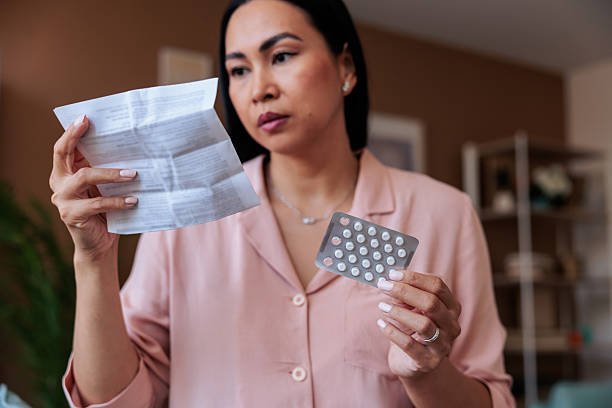
HRT is available in several forms, such as tablets, patches, gels, creams, or even vaginal rings. Based on your symptoms and health history, your doctor will decide on the most suitable method.
During perimenopause, your hormone levels are still fluctuating, and periods may continue. Because of this, the type of HRT used at this stage is usually different from what’s prescribed after menopause.
Major studies demonstrate that HRT is among the most effective therapies to treat vasomotor symptoms like hot flashes and night sweats, and can actually be reduced by up to 75% or more.
One should keep in mind that HRT does not stop menopause. But it can be recommended to make this transition a lot easier.
Benefits of HRT
For some women, HRT can actually be of great help to a woman with the overall symptoms. You can expect the following benefits from it:
- Brain health and mood level: Hormonal changes may be the main cause of anxiety or low mood. HRT is reported to help you feel more alert and emotionally balanced.
- Reduce hot flashes and night sweats: HRT brings your hormones back to a steady level, which helps reduce sudden temperature rises.
- Sleep Quality: By reducing night sweats and mood swings, hormone therapy can help you sleep better and get more rest.
- Relieves vaginal dryness: Hormonal treatments, either systemic or local, can bring back vaginal moisture and flexibility, making sex more enjoyable.
- Highly customizable: HRT can be greatly adjusted to the varying hormone levels, which offer a good recovery without the risks of progression.
- Metabolism: Hormonal imbalance can result in you accumulating more fat around the abdomen. HRT promotes your metabolism and reduces that unwanted fat.
When to Start HRT?
You can go for an HRT if you see perimenopause symptoms like severe hot flashes, night sweats, mood swings, or sleep problems. Talk to your doctor about starting HRT right away, even while you still have irregular periods.
When periods cease at an early age, under 40 years, most physicians tend to prescribe HRT immediately. And suggest that it should be continued until at least the average age of natural menopause, 51-52.
Please note that the exact right time to start HRT isn’t the same for everyone. It depends on your symptom severity, your age, and your family history.
Hormone Replacement Therapy Risks and Safety
Research has proven that HRT is much safer and more effective when it is started early. You can expect maximum benefits of HRT, such as symptom relief, bone protection, and possibly heart health, when it is started early.
The risks of HRT might begin to take over the benefits, especially after the age of 60. This is because you will find that the more you get older, the better the symptoms of menopause get, and you don’t need HRT to help with the symptoms.
Like any medical treatment, HRT comes with potential risks. For example, combined estrogen and progesterone therapy might slightly increase the risk of breast cancer, especially with long-term use.
Moreover, oral estrogen may increase the risk of getting blood clots and stroke, particularly for older women or those who already have health conditions.
The risk of the heart is usually less when the therapy is initiated closer to menopause. But it can increase when performed later. You may also see other side effects, such as bloating, breast tenderness, and headaches. These can usually improve over time.
Your risk increases after the age of 60. It is best to go for lower doses or non-oral methods to reduce risk after 60.
It depends on your provider whether to start, continue, or discontinue HRT. You can further supplement HRT with healthy practices such as regular physical exercise, a balanced diet, stress management, and sleep to get the maximum from HRT.
Bottom Line
Hormone Replacement Therapy (HRT) is a popular treatment for perimenopause. With the help of your healthcare provider, you will decide whether it is the proper choice for your midlife health.
However, caution is required. HRT may not be suitable for everyone. Your provider may decide HRT isn’t for you if you have a history of breast, ovarian, or uterine cancer, experience abnormal vaginal bleeding, have had blood clots, or are currently pregnant.
If you are struggling with symptoms and don’t know where to turn, don’t worry. At Kairos Health & Wellness, Lola, one of our functional nurse practitioners, is here to understand your body and guide you toward the right HRT solution if needed.
You can reach out to us anytime, and we will be happy to help you!