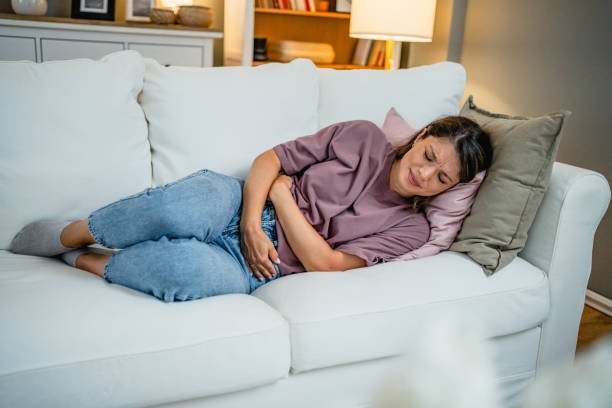
Two of the most common hormonal problems that you may experience at some point in your life are endometriosis and PCOS. These conditions can appear to be similar. However, they are quite different conditions. Both of them not only alter your fertility but also your overall health. Hence, knowing the difference between the two is quite important.
Studies indicate that 10% of women are affected by PCOS. While endometriosis affects around 20% of women. The worst of it is that their symptoms usually overlap with each other, and even some medical practitioners fail to differentiate the two.
What is Endometriosis?
Endometriosis is a long-term disorder in which the tissue that is similar to the inner wall of the uterus (endometrium) develops outside the uterus. This growth normally occurs on the ovaries, fallopian tubes, and the lining of your pelvis. In rare cases, it may appear in other parts of the body as well.
This tissue bleeds just as normal period tissue does, except that it has no way to leave the body. This results in pain, inflammation, and scar tissue. It can be associated with the hormones and the immune system.
When a member of your family has it, then you are at risk of getting it. Furthermore, it can also affect your bowel and bladder if your tissue grows there.
In case of Endometriosis, you can observe the following symptoms:
- Painful periods
- Pelvic pain before periods
- Painful urination
- Digestive Problems
- Heavy bleeding
- Laziness
- Pain during sex
- Trouble getting pregnant
Studies indicate that a significant cause of endometriosis is inflammation. You can manage it through immune system balance and gut health, which can improve your symptoms.
What is PCOS?
PCOS (Polycystic Ovary Syndrome) is a hormonal disorder that affects your ovaries. It makes your ovaries produce more male hormones, like androgens, or not release eggs regularly.
It may begin during your teenage years and continue into reproduction. Those who have a family history of PCOS are more likely to develop the condition.
It is one of the most prevalent hormonal disturbances among women of childbearing age. If ou have PCOS, you may experience:
- Irregular periods
- heavy bleeding
- missed periods
- Increased levels of male hormones
- Acne
- Hair growth
- Hair loss
- weight gain
- Ovarian cysts (on ultrasound) are small cysts on the ovaries.
One of the problems associated with PCOS is the difficulty in ovulating, which makes natural conception more challenging. It may also put women at risk of gestational diabetes, high blood pressure, or complications during early pregnancies.
Endometriosis vs PCO
Endometriosis and PCOS have an impact on reproductive health. The causes, symptoms, and long-term effects of them are utterly different. The symptoms are sometimes identical in both. So, it is important to know the key differences of each:
1. Causes: Endometriosis vs PCO
Endometriosis:
The main cause of endometriosis is not completely known and is caused by a combination of factors that cause endometriosis. Some of its major causes include the following:
- Retrograde menstruation: In this, it occurs when menstrual blood moves in a backward direction into the pelvis. This may allow endometrial tissue to implant outside the uterus.
- Genetic factors: In case there is a history of endometriosis in your family, you may develop it.
- Problems with the immune system or Inflammation: This can lead to the inability of the body to remove the displaced tissue.
PCOS:
The main cause of PCOS is unknown, but evidence points to a number of factors that could lead to the disorder.
- Hormonal imbalance: It is among the primary causes, in which your ovaries secrete more androgens (male hormones).
- Insulin resistance: This is a frequent feature in women who have PCOS. It means the body is unable to use insulin properly
- Genetics: Your genes could also contribute, as PCOS is commonly hereditary.
- Chronic low-grade inflammation: It may be a factor in the disorder because it triggers the ovaries to secrete more androgens.
2. Signs
Endometriosis: The primary sign of endometriosis is severe pain. You will have very painful periods, intense pelvic pain, pain during or after intercourse, and painful bathroom breaks during the period. Periods are usually regular but extremely painful. Endo is more pain-focused.
PCOS: Irregular cycles, high androgens, and some metabolic issues are the signs of PCOS. Severe period pain is not usually a main symptom, which is the key to differentiate both PCOS and endometriosis.
3. Fertility Impact
Endometriosis: Fertility problems typically occur due to the scar tissue, inflammation or cysts around the ovaries and fallopian tubes to influence the movement or implantation of your egg. You can still have regular periods with endometriosis, but the condition may still make it harder to get pregnant.
PCOS: The key fertility challenge in PCOS is irregular or no ovulation. Your Periods are often irregular or missed in PCOS. This is a clear indication that your ovaries are not regularly releasing eggs.
4. Blood Tests
Endometriosis: Blood tests are usually normal. There is no single blood test that can definitively diagnose it. Sometimes, blood tests are mainly done to exclude other diseases. The CA-125 blood marker can be raised in some women with endometriosis, but it should not be used for proper diagnosis.
PCOS: Blood tests may reveal that the levels of androgen (male hormones) are higher or show signs of insulin resistance.
5. Ultrasound
Endometriosis: Ultrasound may sometimes show ovarian cysts (endometriomas). But in many cases, especially small implants or lesions, may not be visible on ultrasound.
PCOS: Ultrasound often shows multiple small cysts on the ovaries, which is a common sign of PCOS.
Diagnosis Method
Endometriosis: Laparoscopic surgery is the most reliable way. In this, your physician looks inside the pelvis and examines whether endometrial tissue is present.
PCOS: Your provider will diagnose PCOS by going through your symptoms, blood tests, and an ultrasound, without surgery.
You can easily differentiate between the two. If you experience severe pelvic pain but a regular period, you are more likely to have Endometriosis. On the other hand, if you have Irregular periods with PCOS symptoms, it’s more likely to have PCOS
Treatment
Endometriosis:
Its treatment aims at reducing pain and inhibiting the growth of endometrial tissue. Some of the Common methods are:
- Pain relief: Both non-prescription and prescription painkillers are given to manage the pain.
- Hormonal therapy: Birth control pills, GnRH agonists, or other hormone treatments are recommended to control tissue
- Surgery: Sometimes Laparoscopy is performed to remove endometriosis lesions or chocolate cysts.
- Fertility support: Your doctor will suggest IVF or other fertility treatments if pregnancy is a problem
PCOS:
In PCOS, treatment depends on your hormone situation and enhances fertility. The common methods are:
- Healthy changes: For symptom management, you need to follow a healthy diet, regular exercise, and manage your weight
- Medications: Birth control medications may be recommended to regulate the menstrual cycle. Anti-androgen drugs are given to reduce acne or hair growth.
- Fertility support: Medications like clomiphene or letrozole are recommended to stimulate ovulation.
Conclusion
Yes, endometriosis and PCOS share some symptoms. But these are two different diseases with completely different causes, patterns, and treatments. You should keep a regular record of your menstrual cycle and symptoms. It is best to see both functional medicine and a gynecologic evaluation for an accurate diagnosis.
You may have one or both endometriosis and PCOS simultaneously. Research revealed that women with PCOS are at the highest risk of being diagnosed with endometriosis as well.
Your doctor will carry out a number of tests to know whether you suffer from PCOS, endometriosis, or both.
At Kairos Health & Wellness in Texas, Lola, one of our functional nurse practitioners, uncovers the root cause behind your problem and gives you a plan that actually balances your hormones and inflammation.
If you are unsure about what to do next, don’t worry, we are here to help you anytime. Call us or reach out to us today!