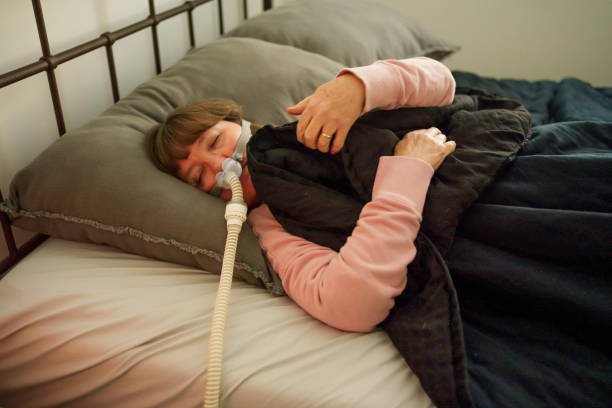
If you have sleep apnea, you are already dealing with loud snoring, disturbed sleep, headaches in the morning, and exhaustion even after spending a lot of time in bed. Sleep apnea occurs when your airway contracts or collapses multiple times at night, causing breathing to stop and start throughout the night.
CPAP is usually recommended by doctors as a first-line treatment of Obstructive sleep apnea. This mask is not very comfortable, and the routine can be overwhelming. Because of this, up to 40% of individuals who are prescribed CPAP treatment do not wear it on a regular basis. In addition to CPAP therapy, here are some of the well-known CPAP alternatives that are known to treat sleep apnea.
1. Oral Appliances – Best CPAP alternatives
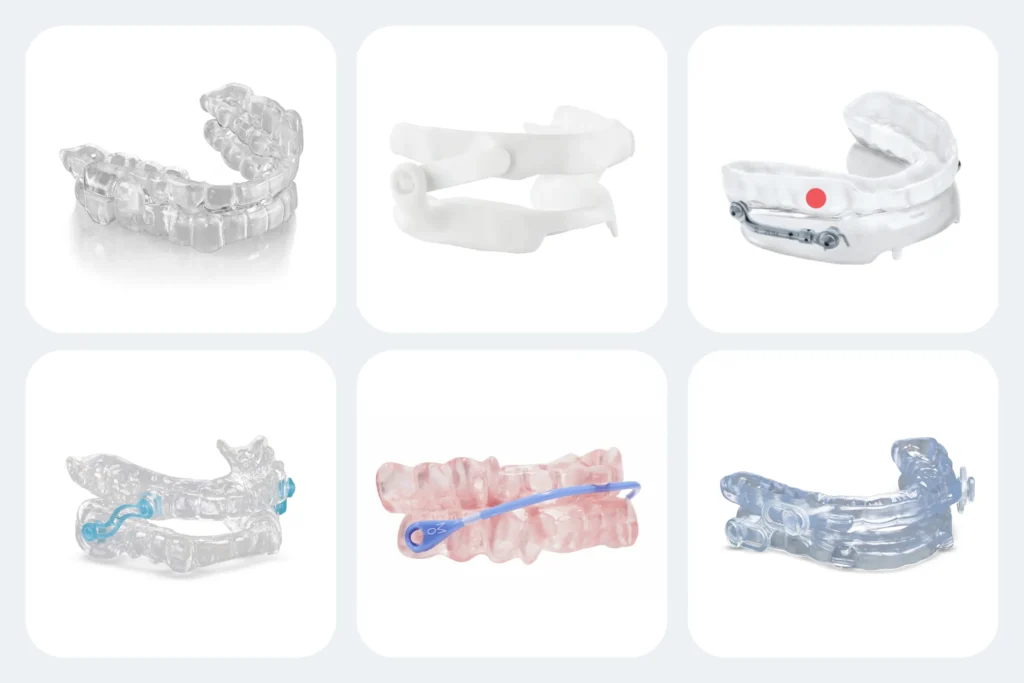
Oral appliances are custom-made mouth devices that are worn in the mouth during sleep. They gently keep your tongue in one place or push the jaw in front to keep the airways open during sleep.
Oral devices are of two different types.
Mandibular advancement devices (MADs) are the most common ones, which shift your jaw forward. The other one is a tongue-retaining device (TRD), which prevents the tongue from sliding in the back of the mouth.
But these oral appliances work best when they are properly fitted into your mouth. This fitting is normally done with the help of a dentist who works in collaboration with your doctor.
Numerous studies conducted in sleep medicine journals indicate that oral appliances are potentially very useful in treating mild to moderate obstructive sleep apnea.
But you must know that these CPAP alternatives are not as effective as CPAP machines, but can improve breathing and minimize most symptoms of sleep apnea, such as snoring.
To get better results from oral appliances, you can also combine them with weight management and positional therapy.
- Lightweight: Oral appliances are small, light and do not need electricity. People who travel a lot and do not want to have to carry a CPAP device with them should use it.
- Peaceful Function: Oral appliances do not produce noise that can disturb a bed partner, which can be a problem with certain CPAP devices.
- Side effects: Oral appliances have a couple of side effects, including that they may cause your mouth to become dry, irritated, sore, jaw pain, sore teeth, or excessive salivation.
2. Using PAP Devices for Apnea
CPAP is a type of positive airway pressure (PAP) device that is used to provide continuous air pressure to keep your airway open, reducing apnea events and improving oxygen levels
There are also some other PAP machines, such as BiPAP and APAP, which can be used as an alternative to CPAP in case you are not adjusting to CPAP.
- The APAP is an auto-adjusting PAP that will automatically adjust your pressure in response to your breathing patterns. This dynamic adjustment can improve adherence for individuals who find standard CPAP masks uncomfortable or experience pressure-related disturbances during sleep. These machines are usually equally effective as CPAP machines.
- A BiPAP machine provides air pressure at two levels, one at the time of inhalation and the other at the time of exhalation. A BiPAP machine is not normally prescribed initially during treatment. Your provider might prescribe you BiPAP when you have already tried CPAP or APAP and are not getting used to it.
3. Positional Therapy
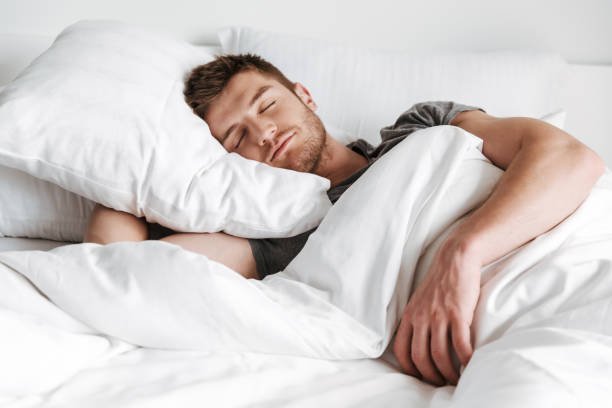
Sleep apnea becomes worse in some people, especially when lying back. Research has shown that side sleeping can be very effective to decrease the apnea symptoms. In some cases, apnea episodes dropped by more than 50 percent when back sleeping was avoided.
All you need is to sleep on your side with the help of supportive pillows or wedge pillows, and keep your head elevated while sleeping.
Some of the modern solutions, like vibrating belts or smart sleep monitors, can also be used to remind the sleeper to roll over in case he/she is found to be back-sleeping. This is a cheap and easy method, but this method is not effective for the treatment of patients with severe OSA.
4. Do some Physical Therapy
Oral appliances and CPAP machines are used to keep your airway open but physical therapies work internally by improving your muscle tone and respiratory efficiency.
Among physical therapies, myofunctional therapy is very common. It is a series of specific exercises for your tongue, throat, and muscle designed to strengthen the airway,
You can also take a physical therapy session with a speech pathologist, which helps to make your tongue and throat muscles stronger.
Simple exercises, like pressing your tongue to the roof of your mouth and sliding it backward, or lifting your soft palate by pronouncing vowels aloud, can make a meaningful difference over time.
When you combine these therapies with devices, these exercises can improve your airflow, minimize apnea events, and make your sleep more restful.
5. Surgery
Surgery may be an appropriate solution for you if your own anatomy is behind your sleep apnea. It works by removing or repositioning tissues that block your airway, helping you breathe better and reducing apnea events.
There are different types of surgical operations that can be performed to ensure that your airway is not blocked at night. The type of surgery depends on the type of obstruction that is causing the problem.
Among the most widely performed ones are known as Uvulopalatopharyngoplasty (UPPP), during which some tissues are removed in the airway or near it.
Some other surgery options may include tonsillectomy, maxillomandibular advancement, or nasal surgery such as septoplasty or turbinate reduction.
If you have a very big tonsils, floppy soft palate, a tongue that blocks part of your throat, or small jaw bones, an oral surgeon can probably carry out the type of surgery that best fits your needs.
To help you make the right decision on whether or not to undergo surgery, your doctor will discuss the advantages and disadvantages first. You need to be healthy enough for your doctor to feel confident that you can safely have surgery and recover well
6. Nerve stimulator
Hypoglossal nerve stimulation, or nerve stimulation, is an advanced mode of treatment for people with moderate or severe obstructive sleep apnea (OSA) who are unable to tolerate CPAP therapy.
This method involves inserting a small electronic device under the collarbone and the chin. It connects to the nerve that controls your tongue. While you sleep, the device sends gentle electrical signals to this nerve. This helps keep your tongue and surrounding tissues from relaxing too much, thereby preventing your airway from becoming blocked.
Studies show that nerve stimulation can reduce sleep apnea severity by about 50 to 70 % in carefully selected patients. It is a very silent and internal therapy that does not disrupt sleep at all.
Like any treatment, nerve stimulation does have risks. You may experience infection, irritation, or temporary tongue weakness. In some cases, the device may stop working and require another procedure to repair or replace it.
Selecting the Correct CPAP Alternatives
If you are thinking about trying CPAP alternatives, the first step is to talk with your doctor or a sleep specialist. They can assist you in knowing what options are likely best for you.
You may also consider switching to another device or therapy if CPAP is causing side effects or feels too uncomfortable to use.
If you see side effects with CPAP, such as an uncomfortable mask, dry mouth, red or itchy eyes, or a dry, stuffy, or runny nose, it is best choice to opt for CPAP alternatives.
Not all methods will work for all individuals. In fact, using a combination of the above therapies that are designed for an individual’s anatomy, metabolism, or lifestyle will be the best approach in many cases.
Bottom Line
CPAP is proved to be the best treatment out there but it is not the only option. If you are not comfortable with this, you can go for CPAP alternatives like oral appliances, other PAP alternatives under the guidance of your healthcare provider.
Alongside these alternatives, Along with these alternatives, simple lifestyle changes can make a big difference, such as losing 5–10% of your body weight, sleeping on your side, avoiding alcohol, and regular physical exercise.
Please note that sleep apnea is different for everyone, and the best results often come from a treatment that is designed according to your anatomy.
If you have sleep apnea and need guidance, Lola, one of our functional nurse practitioners, treats sleep apnea using an individualized approach that looks at your symptoms and overall health.
Book your appointment today!