Are you struggling with bloating or unexpected bloating? Gut diseases such as irritable bowel syndrome (IBS), chronic bloating, acid reflux, and autoimmune diseases are currently being experienced by millions of people.
According to statistics, women are overrepresented in digestive diseases. They are also prevalent in people who experience high levels of chronic stress and those who consume an ultra-processed diet.
The food you eat directly controls your gut health. Processed foods packed with refined sugars and artificial additives act like poison to your digestive tract. They nourish the bad bacteria and cause tear in your gut lining, causing huge inflammation.
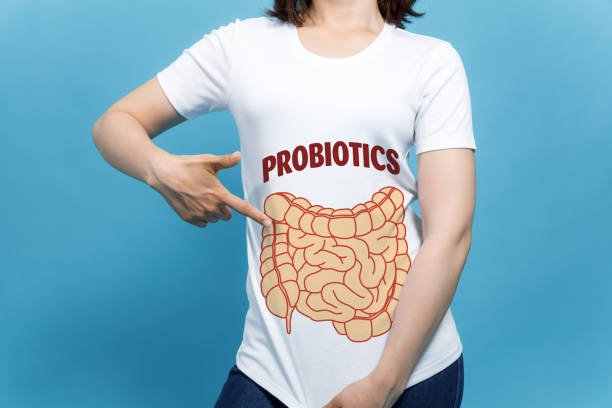
Gut health can be repaired in numerous ways, such as through elimination diets or intermittent fasting. But you can’t improve gut health by simply removing bad foods. The best way is to find the best probiotic strains for gut health to physically rebuild your microbiome.
What are Probiotics?
Probiotics are live microorganism that can be very beneficial for your gut. These actually live inside your gut. They assist you in digesting food, absorbing nutrients, dealing with dangerous bugs, as well as synthesizing serotonin to control your mood. Specific probiotics strains are targeted medical tools often utilized in functional medicine.
You can get probiotics from both food and supplements. Its natural sources include yogurt with live cultures., kefir, sauerkraut, kimchi such as pickles. Mostly it comes in capsules, powder or drinks but its quality and effectiveness can be highly varied.
It is prudent to know that not every probiotics strains are scientifically proven in all cases. Their impacts depend on its exact strain, dosage and your health condition. In fact, many commercial products are not backed by clinical evidence.
1. Lactobacillus Strains
Lactobacillus such as that of L. acidophilus and L. rhamnosus. is one of the most common strains and are usually found in your small intestine.
They generate lactic acid that forms an unfavorable environment to bad bacteria. They work amazing when you have the lactose intolerance, mild daily bloating, and unpredictable bathroom habits.
It is easily available in natural foods such as plain yogurt, kefir, traditional sauerkraut, kimchi, and real sourdough bread. You should take a Lactobacillus-dominant probiotic at the first meal in the day. This helps your small intestine break down food efficiently.
They are commonly found as capsules, powders, and chewable in supplement form. They are best probiotic for people dealing with IBS, lactose intolerance, mild daily bloating, and irregular bathroom habits.
2. Bifidobacterium Strains
These are tough bacteria that reside in your large intestine. Their primary activity is to ferment complex dietary fibers, attract water into your feces to keep you regular and generate short-chain fatty acids that power your body and repair your gut lining.
They are available in fermented dairy products. However, they are also naturally produced in your body when you consume high fiber prebiotic vegetables such as chicory root, Jerusalem artichoke, garlic, onions, and green bananas.
They come in capsules, and are usually used in combination with Lactobacillus. These strains are for people with chronic constipation, sluggish digestion, and those needing metabolism support.
Doctors use these strains to achieve root-cause healing. Because they produce short-chain fatty acids that are known to physically heal your intestinal wall and regulate your appetite.
Studies have confirmed that Bifidobacterium longum has a strong effect on stool frequency and improving constipation. Its side effects may include the temporary rise in gas or the alteration in stool consistency.
You should find a supplement containing a minimum of 5 billion CFU and combine it with prebiotic foods such as asparagus so that your bacteria have food to live.
3. Saccharomyces Boulardii
It is not a bacteria but a beneficial yeast. This is the best probiotic strains for gut health especially when you are dealing with chronic diarrhea, food poisoning, or when you are using an antibiotic that is killing your good flora.
Your antibiotics are unable to kill it because it is a yeast. Several clinical trials confirm that the administration of S. boulardii decreases the incidence of antibiotic-associated diarrhea by up to 50 percent.
It is not found in modern foods. Historically, it was present on the skin of the lychee fruit and the mangosteen but nowadays you cannot get it from the food.
It is only available in capsule form. It is the best option for people with SIBO (Small Intestinal Bacterial Overgrowth), chronic diarrhea, food poisoning, Candida overgrowth, and in those on antibiotics.
You can keep S. boulardii in your medicine box whenever you are prescribed an antibiotic by your doctor. Take it 2 hours apart from your medication to protect your microbiome.
4. Soil-Based Organisms (SBOs)
These are probiotic strains such as Bacillus subtilis which are naturally present in untreated soil. In the past, people ate these everyday by consuming vegetables directly out of the ground.
However, they are nearly absent of our food supply today because of the modern farming chemicals and washing methods.
They come in capsule form and unlike other probiotics, they do not need refrigeration since they are extremely hard.
They are specifically designed to help individuals with severe gut inflammation, histamine-intolerant, SIBO, or those who become bloated and ill due to traditional dairy-based probiotics.
Doctors use SBOs for highly sensitive patients because they survive stomach acid 100% of the time and do not cause the immune flare-ups that regular probiotics strains for gut health sometimes trigger.
Its side effects are rare but occasionally include a mild detox effect or slight bloating in the first week. If traditional probiotics strains make you feel worse, switch to an SBO probiotic strains and take it on an empty stomach with a glass of water first thing in the morning.
How to Use Probiotics the Right Way
Randomly taking probiotics for gut health might not produce actual outcomes. You must feed the good bacteria in order to optimize your gut health.
The first most important step is to consume lots of prebiotics. Prebiotics are certain fibers that are present in garlic, onions, asparagus, and green bananas. They are the food of your probiotics.
Also, do these as well:
- Take daily consistently
- Combine with a Prebiotic.
- Stay hydrated
- Sleep Properly
You can also consider fasting. Intermittent fasting is an effective aid to your digestive system. By fasting 14-16 hours, you give your gut a rest to digest food. This initiates a cleaning mechanism in which your gut cells sweep dead bacteria out of the way and lets your new probiotics in. This also assists in rebalancing your hormones.

Common Mistakes to Avoid with Probiotics
Although you may purchase the best probiotic for gut health, you may still fail to achieve any results due to several simple mistakes:
- Taking probiotics with hot food or drinks. When you take your probiotic in capsule form and gulp it with a hot cup of coffee or tea, the heat will kill the bacteria before it even gets into your intestines. The probiotic should be taken with cold or room temperature water.
- Using them simultaneously with an antibiotic. Your probiotic needs at least two hours in between to survive and to keep your gut safe.
- Taking the wrong strain for your symptoms: Many people buy a bottle because it is labeled as a probiotic on the front. Taking a Lactobacillus strain when you have chronic constipation will not help you. Using a Bifidobacterium strain when you have SIBO may cause you to bloat even more. You have to select the specific strain that suits your digestive issue.
- Ignoring your diet: Eat a healthy balanced diet that include lots of prebiotics to support your gut.
Conclusion
Probiotics strains are highly effective and work to rebuild your microbiome. However, they also have their drawbacks, such as unwanted side effects or immunogenicity in case of inappropriate use.
More to the point, a probiotic might not be the complete solution to your underlying health problems. A pill will not change the underlying cause, although you may have some hidden infection, severe food intolerance, or chronic stress.
At Kairos Health and Wellness in Texas, Lola, one of our functional nurse practitioners,, assists you in making a decision on what exactly your body requires. We use functional medicine and root-cause healing to make sure that you are taking the best probiotic strains for gut health
If you have any questions or concerns, contact us today.