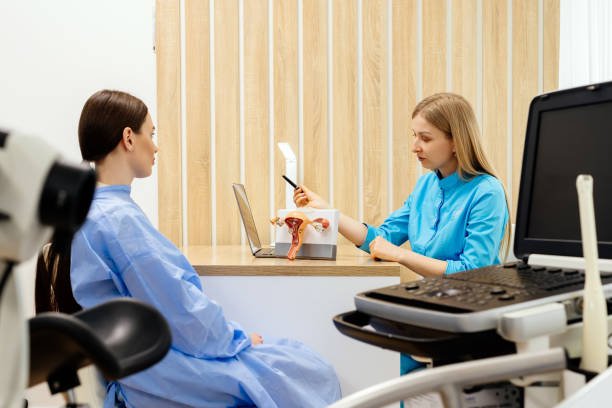
Have you recently been diagnosed with PCOS and are now wondering, “Is PCOS curable? “
Don’t worry, PCOS is among the most common female health issues. You get to know about it when your menstrual cycles start getting irregular. However, a lot of women actually find out about it in their 30s or 40s, especially when they are trying to conceive.
PCOS is a very complicated hormonal disorder, and the answer to whether it’s curable isn’t straightforward. It’s generally considered a long-term condition, but you can manage it well with the right care.
So, before talking about whether PCOS is curable, it’s important to first understand what the condition actually is and how it affects your body.
What Is PCOS?
Polycystic ovary syndrome, or PCOS, is a hormonal disorder that impacts the normal functioning of your ovaries.
When you have PCOS, there is a tendency for your body to produce more androgens, also known as male hormones. Even though every woman secretes small quantities of these hormones, increased quantities can cause an abnormal reproductive cycle. Therefore, your ovulation will be irregular or even cease.
PCOS may also affect a number of systems within your body. In most instances, PCOS is caused by insulin resistance. It means that your body cannot convert or use insulin properly.
In the long run, it may have an impact on your metabolism. It can put you at risk of gaining weight, type 2 diabetes, and even cardiovascular issues.
The following are the symptoms of PCOS that you may experience:
- Irregular or missed periods
- Fertility issues
- Acne or oily skin
- Unwanted hair on the body or face
- Hair Thinning
- Darkened skin patches
- Gaining weight
- Laziness
Is PCOS Curable?
At present, no permanent cure for PCOS is available. But it is highly treatable and manageable. Based on the information from leading medical organizations and scientific studies, the exact cause of PCOS is still unknown. Therefore, no permanent cure has been developed so far.
But the clinical guidelines say that you can easily manage its symptoms, such as irregular periods, high androgen, infertility, weight issues, and metabolic disturbances.
PCOS has many physiological factors, which differ in different individuals. This is the reason why research work has been going on to explore a broad spectrum of potential treatment options, although there is no clinical cure exists.
While PCOS can’t be “cured” in the traditional sense, the right combination of hormone support, insulin management, and lifestyle changes can put your symptoms into long-term remission. This is exactly what we focus on in our Women’s Health program, testing your actual hormone levels instead of guessing.
Your provider will try to address the underlying factors behind PCOS, such as insulin resistance, hormonal imbalance, and inflammation. When these are fixed, your symptoms often become much easier to manage.
Types of PCOS
PCOS can show up differently in your body. It merely depends on your underlying causes. You cannot say these are types, but Doctors describe them as the patterns that affect women differently.
- Insulin-Resistant PCOS: It is the most widespread form of PCOS. In insulin-resistant PCOS, your body cannot react well to insulin. This pattern or type is prevalent in 65% of women suffering from PCOS. With this kind, you will find it hard to lose weight, particularly around the stomach, and you will have sugar cravings, feel tired after eating, or have diabetes.
- Inflammatory PCOS: Inflammation in your body can also contribute to hormonal imbalance. At times of high inflammation, your ovaries secrete excessive amounts of male hormones, resulting in symptoms of PCOS such as skin problems, menstrual disturbances, and hair growth. It can be caused by many factors, such as stress, poor diet, or gut imbalances.
- Post-Pill PCOS: Post-Pill PCOS is a temporary condition. It occurs if you stop using hormonal contraceptives. Before your doctor can diagnose PCOS, he or she normally recommends waiting 6-12 months after stopping the pill. The typical symptoms that could occur during this period are irregular cycles, acne, or ovarian cysts. These symptoms are due to temporary hormone fluctuations and gradually return as your body readjusts.
- Adrenal PCOS: This type of PCOS occurs when your adrenal glands produce excess androgens, especially the hormone DHEA-S. Stress can also raise the hormones in your body. You will experience signs like acne, irregular cycles, fatigue, or anxiety.
PCOS can look different from one woman to another. Schedule a consultation with our team to better understand your symptoms and identify the right approach for your needs.
Treatments Available for PCOS
PCOS does not have a permanent cure. However, there are multiple interventions that can be used to treat symptoms and minimize your health risks in the long term. Depending on the kind of PCOS you have, your provider normally opts to use a treatment.
1. Medications
Your healthcare provider may recommend certain medications to help control your particular PCOS symptoms. The frequently used ones are hormonal birth control, Metformin, and anti-androgen drugs.
Metformin is commonly prescribed to patients with type 2 diabetes. It is usually given to those who have PCOS with insulin resistance. It may also be helpful for regular ovulation.
While anti-androgen drugs are prescribed to minimize the symptoms, such as excessive facial hair and acne, by lowering the effect of androgens.
2. Lifestyle Adjustment
You can greatly manage PCOS by making some lifestyle adjustments, even if you make small changes to your daily habits. This can help regulate your hormones and ovulation. It is recommended to eat a balanced, low‑glycemic, or anti-inflammatory diet. Try to cope with your stress and engage in regular physical activity so as to control your health better.
For example, regular exercise will assist your body in using insulin more effectively. This will reduce insulin resistance and promote regular ovulation.
3. Fertility Treatments
Many women discover they have PCOS when they are trying to get pregnant. If that is the case, your provider will recommend some fertility treatments. These may include medications that stimulate ovulation, such as letrozole or clomiphene.
Most likely, your doctor will start with medication therapy. But if medications are not able help, your provider may recommend some treatments like IUI (intrauterine insemination) or in vitro fertilization (IVF).
IUI (intrauterine insemination) may improve the chance of pregnancy per cycle by around 10-20%. On the other hand, IVF (in vitro fertilization) is more effective, with almost 40- 50% pregnancy rates per cycle and about 30- 40% live birth rates.
Not sure where to start? Book your consultation with Kairos Health.
How to Live Well with PCOS
Even though the question is rooted in many minds: Is PCOS curable? It is important to remember that PCOS does not define your health and future. You can live very well with PCOS by just managing its symptoms. You need to maintain a healthy weight, eat nutritious foods, and exercise regularly.
If you are bothered by acne or excess hair growth, you can go for some cosmetic treatments as well.
When adequately taken care of, most women see significant changes in their symptoms and life. You can see this too. Hormones can get back on track, cycles can become regular, and skin health can be improved, too.
Also, PCOS can affect your metabolic health as well, so it is best to regularly track your health. Ask your provider to regularly check your blood sugar levels, cholesterol, blood pressure, and hormone levels.
Conclusion
Currently, PCOS cannot be completely cured. But it can be effectively treated and managed. Since PCOS impacts your hormones, metabolism, menstrual cycles, and fertility, it is quite understandable if you feel overwhelmed at the beginning. But you should know one thing, you are not alone. A lot of women have PCOS and are successfully managing it.
Healthy lifestyle habits can make a big difference. Eating a balanced diet, staying active, managing stress, and getting proper medical care all help support hormone balance.
If you are confused about your symptoms or don’t know what to do next, we are here to guide you. At Kairos Health in Texas, Lola, one of our functional nurse practitioners focus on finding the root cause of your PCOS. And suggest a treatment plan that is personalized for your body.
If you have any questions or concerns, reach out to us today!