
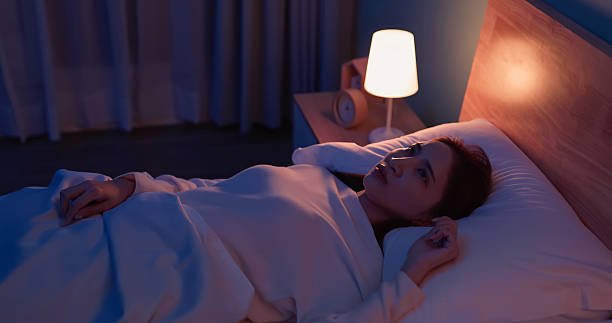
Sleep is supposed to heal your body and relax your nervous system, but for some people, it may be frightening, draining, and overwhelming. When you are unable to move, feel pressure on your chest, gasp for air, or see vivid images, you may ask yourself whether you have sleep paralysis, sleep apnea, or something else.
It is worthy to know the difference between sleep paralysis and sleep apnea. They both cause sleep disturbances and damage to your health, yet they both are based on very different premises and require different solutions.
One is a primary impact of your nervous system based on stress, and the other one is an impact on your airways and metabolism. Confusion between sleep paralysis and sleep apnea may slow adequate treatment and complicate your symptoms further.
What Is Sleep Paralysis?
Sleep paralysis occurs when you are unable to move any part of your body just before you sleep or when you are getting out of bed. It typically occurs between the stages of sleep and waking.
When you cannot move or speak while sleeping, it is a natural process called muscle atonia. It prevents your body from acting out on dreams or nightmares, which may be harmful to you. During a sleep paralysis episode, you are likely to be scared or nervous. Once it stops, your body starts moving as if nothing happened.
No treatment has been found to prevent a sleep paralysis episode once it begins, but some therapies can help you to reduce the frequency of these sleep paralysis episodes.
Common Symptoms of Sleep Paralysis include:
- Unable to move arms, legs, or talk
- Pressure or heaviness in your chest
- Being observed or intimidated.
- Seeing, hearing, or touching something that is not there
- Hallucinations
- Fast heartbeat or panic
It is not physically harmful; however, recurrent episodes can make sleep scary and reduce the overall sleep quality.
The duration of sleep apnea episodes ranges between a few minutes to a few seconds, most of the time between 6-7 minutes. It feels like a long period, especially when you are frightened or puzzled!
Causes of Sleep Paralysis
Physicians do not know what exactly is causing sleep paralysis, but they have noticed its close relation with other sleeping disorders. From a functional medicine view, sleep paralysis usually comes from problems in the nervous system, not from breathing issues.
The following are the common root causes of sleep paralysis:
- Narcolepsy.
- Not enough sleep
- Abnormal sleep schedules
- Blocked breathing caused by the sleep apnea disorder
- Mental illnesses include anxiety, bipolar disorders, mood swings, post traumatic stress disorder, or panic attacks.
- Certain drugs are used as treatment for ADHD
- Having sleep disorders.
- Watching excessive television before sleep
- A messed-up body clock.
- Certain drugs that change your REM sleep
Research indicates that individuals who sleep excessively or suffer from disrupted sleep are more prone to sleep paralysis.
What is Sleep Apnea?
Sleep apnea is a disorder that pauses or stops your breathing while sleeping. It may occur for a few seconds or may occur numerous times per night.
Unlike sleep paralysis, sleep apnea occurs when your airway becomes blocked or when breathing signals in your brain get interrupted. This prevents your body from receiving sufficient oxygen, resulting in suffocation or choking during sleep.
The most prevalent type of apnea is obstructive sleep apnea (OSA), in which the airway passage is blocked during sleep. OSA is a well-recognized health disorder, while sleep paralysis is considered an abnormal sleeping behavior.
The following are the common symptoms of sleep apnea:
- Loud snoring
- Suffocation or choking when sleeping.
- Breathing stops during sleep
- Morning headaches
- Dry mouth upon waking
- Insomnia
- Cognitive weaknesses such as brain fog and lack of concentration
- Irritability
- Daytime Sleepiness
- Depression
- Anxiety
- Poor memory
Because these symptoms develop gradually, sleep apnea is frequently underdiagnosed especially in women.
Root Causes of Sleep Apnea
Sleep apnea does not come as a result of a single disease. It tends to be a combination of various root causes, including:
- Obesity and fat around your belly
- Diabetic issues and insulin resistance
- Ongoing inflammation in the body
- Poor muscle tone in the airway
- Cortisol and thyroid problems
- Hormonal Imbalances
- Gut dysbiosis that feeds inflammation
Treatment of sleep apnea involves not only symptomatic treatment. Root-cause healing should address the metabolism, inflammation, and daily habits. If sleep issues persist, our Functional Care team can help identify what’s really going on.
Sleep Paralysis vs Sleep Apnea – The Connection and Differences
Sleep paralysis may or may not have a definite relationship with obstructive sleep apnea. In many cases, sleep paralysis occurs frequently in people who have OSA.
Sleep paralysis and sleep apnea are completely different in their occurrences. Sleep paralysis occurs in approximately 7% of the whole population, with 38% of obstructive sleep apnea patients experiencing sleep paralysis.
The majority of individuals with sleep apnea snore, except in the case of central sleep apnea, which is caused by brain problems. Snoring doesn’t indicate sleep paralysis, but an individual may continue to snore because of other reasons.
The study shows that sleep paralysis is a feature of OSA. As your breathing stops or gets interrupted while you sleep, it may result in sleep paralysis.
With sleep paralysis, you are more likely to experience hallucinations. But in the case of sleep apnea, it is extremely rare or uncommon.
The best part is that sleep apnea treatment can also treat the sleep paralysis you may be experiencing and help you sleep well again. Sleep apnea treatment doesn’t entirely prevent sleep paralysis, but it can help manage it well.
Sleep and the Nervous System
Conditions like sleep apnea and sleep paralysis have a great impact on your nervous system. Sleep paralysis is a sign of overactive sympathetic nervous system activity. Even when you are asleep, your body is still in a fight or flight state. On the other hand, sleep apnea is a mechanical condition, but it triggers a stress response due to repeated drops in oxygen.
Consequently, these two conditions can highly affect your nervous system and may lead to anxiety, blood sugar imbalances, and hormonal imbalances if untreated.
Functional Medicine Approach to Treat Sleeping Disorders
At Kairos Health & Wellness in Texas, we focus on holistic treatment, which is based on healing your whole body instead of just masking your symptoms. In the case of sleep paralysis, the treatment may involve supporting your circadian rhythm, calming your nervous system, and improving sleep consistency.
In the case of sleep apnea, a functional treatment may be effective for strengthening your airway muscles, reducing swelling, boosting your gut health, and improving insulin issues.
Personalized treatment works best for both sleep paralysis and sleep apnea but there are some daily habits you can follow to manage symptoms:
- Keep a steady bedtime and wake‑up routine, even on weekends
- Turn the screens off an hour before bed
- Do calm breathing or relaxation before sleep
- Avoid eating and drinking heavily at night
- Eat a protein‑rich dinner to maintain our blood sugar levels
- Get sunlight in the morning to maintain your body rhythm
Bottom Line
Both sleep paralysis and sleep apnea can feel frightening, particularly when poorly understood. But like any other sleep disorder, these can be controlled with the right treatment.
Although the symptoms of sleep apnea worsen the sleep paralysis, you can treat both by wearing your CPAP machine.
If your symptoms continue, worsen, or start to interfere with your daily life, a deeper evaluation is highly important. At Kairos Health & Wellness, Lola, one of our functional medicine nurses, is here to help. She works with patients to look at their symptoms, identify root causes, and create a plan that improves their sleep health.
Contact us today to get the peaceful sleep you deserve.