
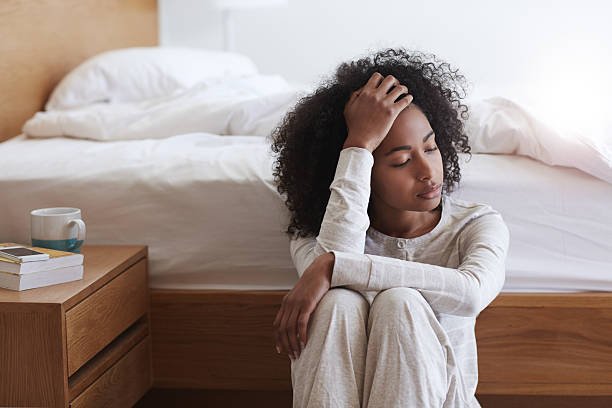
Do you know that the majority of the typical recurrent morning headaches occur as a result of your sleep. It is estimated that approximately five percent of individuals wake up with a morning headache.
Morning headaches may have numerous causes, but currently, scientists think that sleep apnea and headaches are closely connected. Sleep apnea headaches are usually described as more pressing rather than throbbing pain in your head. Their duration is about four hours, and they mostly strike each side of your head.
If you wake up with a headache most of the mornings and it gets better later in the day, the possibility is that you may be experiencing sleep apnea headaches.
What are Sleep Apnea Headaches?
Sleep apnea headaches are those headaches that occur due to repeated interruptions of breathing during sleep. These interruptions decrease the amount of oxygen intake and interfere with your usual sleep patterns, causing certain headache patterns.
Sleep apnea headaches are usually experienced by individuals with obstructive sleep apnea (OSA) who report experiencing them when they wake up at least 15 days a month.
These types of headaches occur as a result of the constant physiological stress that your body undergoes during sleep.
These headaches affect both sides of your head and often affect your forehead or temple area. They are mostly quick headaches and can get better within 30 minutes to four hours.
Not all morning headaches are caused by sleep apnea. To say a headache is caused by sleep apnea, your doctors need to confirm that you have obstructive sleep apnea and that your apnea‑hypopnea index (AHI) is at least 5. If you don’t have a diagnosis of apnea, then your morning headaches are not related to sleep and are likely to be caused by other underlying sleep problems.
How to Know if You Have Sleep Apnea Headache
Sleep apnea headache is unique and possesses a certain pattern. You can use below signs to know whether your headache is caused by sleeping problems:
- You must have a headache in the morning after sleeping.
- It is experienced at both ends of the head or in the forehead.
- Your pain is worst upon waking
- Your headaches don’t have a proper diagnosis.
- It occurs 15 or more days per month.
- It goes away within four hours without medications.
- You wake up with a dry mouth or sore throat.
- You have night sweats
If your headache eases on nights when you sleep better, or worsens after drinking alcohol or sleeping on your back, that is another clear sign that it may be linked to sleep apnea.
Types of Headaches Related to Apnea
1. Morning Pressure Headaches
This is the most common type. These headaches are not very sharp, but feel like internal pressure or tightness in the form of a headache. They are usually caused by breathing pauses and carbon dioxide buildup during sleep.
2. Cluster Headaches
Cluster headaches are related to sleep apnea symptoms, but they are not similar to typical sleep apnea headaches. These are usually experienced during sleep; on the other hand, sleep apnea headaches are experienced once you have woken up.
Cluster headaches usually appear in clusters. As an example, you might have some headaches every night or so, at the same time, and last just several months.
These headaches are usually very painful and transient. One episode may last from 15 minutes to 3 hours. They may occur every other day or up to eight times a day. Some of the factors that may cause these headaches are drinking alcohol, smoking tobacco, bright light, excessive physical activity, and some medications.
Because cluster headaches frequently occur at night and disrupt sleep, they can sometimes be confused with sleep-related breathing disorders. If you’re waking up repeatedly with severe headaches, a proper evaluation is important to determine whether the cause is neurological, sleep-related, or both.
3. Hypoxia-Related Headaches
These are another type of headache related to sleep, which may occur in patients with obstructive sleep apnea. It occurs when your body experiences repeated drops in oxygen levels, which is called hypoxia, and this can trigger headaches that feel very heavy and intense.
These are more common in older adults and have a slightly different pattern than typical sleep apnea headaches.
Hypnic headaches are named as alarm clock headaches, as these headaches are known to wake up a person after falling asleep for three or four hours.
4. Migraine
If you suffer from sleep apnea, you are more likely to experience more frequent episodes of headaches or migraines during the mornings or even throughout the entire day.
Sleep apnea does not necessarily cause migraine, but it can trigger your migraines and make them even worse. Migraines and apnea headaches are different. Migraines may last for four hours to three days, whereas sleep apnea headaches occur when you wake up.
Poor sleep alone is the biggest triggering factor for headaches and migraines. Sleep apnea can also increase your blood pressure and then stress the blood vessels in your brain, further increasing your headache pain.
Migraine headaches can strike at any time of day or night, and are often accompanied by nausea or sensitivities to light/sound.
How to Get Rid of Sleep Apnea Headache
If you want to get rid of sleep apnea headaches, the first step is to find out why they happen. Poorly managed sleep apnea may provoke headaches, and getting a proper diagnosis, either through a clinic sleep study or a reliable at-home test, is essential.
Treating the sleep apnea properly can help you get rid of these headaches as well.
1. CPAP
This is the most recommended treatment for sleep apnea. It is basically a machine or mask that works by sending a steady flow of air through your airway to prevent it from closing during sleep.
If you’re using a CPAP machine but still wake up with headaches, it’s a good idea to check that the pressure settings are correct. Sometimes it takes a little adjusting to find the right balance.
2. Oral Appliances
If you do not feel comfortable using CPAP, your doctor may recommend oral appliances as CPAP alternatives. These are worn in the mouth at night and work by keeping the jaw slightly forward, which helps keep your airway open. The most common types are mandibular advancement devices and tongue-retaining devices.
3. Sleeping Position
You can improve sleep apnea symptoms by adjusting your sleeping position. Back sleeping increases airway collapse in many people. Side-sleeping on your side with proper neck alignment is the best sleeping position in order to reduce sleep apnea headaches without equipment.
4. Healthy Evening Routine
An effective evening routine can be an ideal way to manage sleep apnea symptoms and prevent headaches in the mornings. To avoid evening burnout, try to finish your last meal at least three hours before bed and avoid heavy, spicy foods, caffeine, or alcohol in the evening.
Keep your room cooler, darker, and quieter, and use supporting wedge pillows that give proper support for side sleeping.

How Experts at Kairos Help with Apnea
Sleep apnea is real, and ignoring this condition can lead to many serious health problems like heart attack, high blood pressure, and stroke. Morning headaches are one of the earliest symptoms of sleep apnea.
When you often wake up, especially with a headache and pain or a pressing sensation in your head, it might be the result of your sleep apnea. However, it is important to note that not everyone with sleep apnea experiences headaches, and not every morning headache is caused by sleep apnea.
If you are experiencing frequent morning headaches, ongoing fatigue, or poor-quality sleep, we are here to help you with that. At Kairos Health & Wellness, Lola, one of our functional nurse practitioners, looks at the root cause of your symptoms and does proper evaluation through clinical or in-lab sleep studies to get to the root cause.
We proudly serve patients in Houston, Sugar Land, Richmond, and nearby areas. Book your appointment today!