
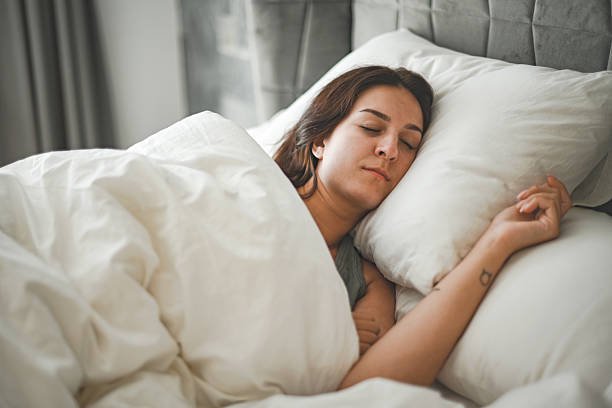
Sleep is the backbone of good health because it restores your energy and your body is ready to face the day. . However, when you sleep with sleep apnea, it becomes difficult to get a good night’s sleep.
Sleep apnea is increasingly becoming prevalent and according to the American Medical Association estimates that 30 million individuals in the U.S. may have sleep apnea. but one in every 5 people is not diagnosed.
It is a serious condition particularly in severe cases which have been associated with increased risk of developing health complications and even death.
Even though CPAP machines are usually prescribed and have a very important role in controlling sleep apnea, there are some realistic sleep strategies that can help you enjoy a deep, restful sleep.
1. Choose a Best Position to Sleep with Sleep Apnea
The position you sleep can highly influence your apnea symptoms. The sleeping position can have a surprisingly effect on your airway functioning during the night. Especially, When you lie flat on your back, gravity can cause your tongue and soft tissues in your throat to collapse backward, partially blocking your airflow. This can worsen your snoring and apnea episodes.
So, it is important to have the understanding of best sleep positions:
1: Sleep on Your Side
Generally, it is believed that sleeping on your side is the best position for sleep apnea.
It has been found in many studies that sleeping on your side can greatly reduce breathing disturbances. Sleeping on your side also reduces the chances of tissues in your mouth and throat shifting to a position of obstructing your airways. This is why side sleeping is greatly prescribed by healthcare providers in order to deal with OSA.
Also, if you are pregnant sleeping on your side can be beneficial because this position may reduce pressure on your liver and promote overall healthy blood flow.
- Use a supportive pillow to keep your head and neck straight during sleep.
- Place a pillow between your knees to take off the lower back pressure.
- Use a body pillow to maintain this position during sleep
2. Avoid Sleeping on Your Back
Sleeping on the back may increase apnea since the tongue and soft palate are pushed at the back thereby closing the airway.
Even though central sleep apnea(CSA) is caused by the inability of the brain to control the breathing process and not by the blockage of the airway, studies have shown that breathing problems associated with CSA are more prevalent when a person lies on his back.
In case you tend to roll on your back, it is best to use some positional therapy methods, can help you sleep with sleep apnea more effectively:
- Use a wedge pillow under the upper back and shoulders to keep your upper body slightly
- Stitch a tennis ball at the back of your pajama top so that you will not roll on your back
Experts also recommend that keeping your head elevated by 45-60 degrees can highly reduce snoring at night-time.
2. Maintain Your Healthy Weight
Excess weight, especially around the neck and upper airway, can make your apnea symptoms worse. Latest research has shown that losing at least 5-10% of body weight can make a big difference in breathing patterns and snoring.
You can maintain a healthy weight by following functional medicine approaches that are usually based on the principles of anti-inflammatory diet, sugar regulation, and regular movement.
Eat more protein such as eggs, chicken breast, turkey, fish because it will keep you fuller and don’t forget to fill half of your plate with fiber-rich vegetables such as spinach, broccoli, cauliflower and zucchini.
3. Try to Avoid Alcohol and Sedatives Before Bed
Sedative drugs and alcohol dilate our throat muscles making airways more collapsible. It is highly recommended to avoid alcohol and sedatives before bed to reduce your apnea severity.
Alcohol should not be taken at least four hours before going to bed and any drug that makes you feel sleepy should be discussed with your healthcare provider.
4. Strengthen Your Airway Muscles
There are some emerging studies demonstrating that oropharyngeal exercises such as throat and tongue exercises could be used to decrease the severity of apnea.
These exercises make the muscles surrounding the airway stronger so that they do not collapse during sleep.
Some of the examples include:
- Drape your tongue against the roof of your mouth. Hold and repeat for 5-10 seconds.
- Saying vowels again and again to tighten your soft palate muscles.
- Try some breathing exercise like diaphragmatic breathing and throat muscle training
5. Follow a Clean Sleep Routine
Regular bedtime will also allow you to get the necessary rest and reduce the symptoms of sleep apnea.
When you are experiencing sleep apnea, don’t compromise on going to bed and waking up the same time each and every day, even on weekends. This tiny habit can miraculously help in enhancing your overall health.
You can establish a clean sleep routine by decreasing exposure to blue light, avoiding screen time at least 30 minutes before bed and establishing a cool and quiet sleeping environment.
6. Try Some Holistic Practices
There are some holistic methods that can help you sleep with sleep apnea more comfortably such as:
Saline sprays, nasal strips, or breathing exercises are the most effective to reduce the overall congestion and enhance the nighttime airflow, thus making side sleeping more efficient.
Herbal teas such as Chamomile Tea, Turmeric Ginger Tea, Valerian Root Tea, can be a gentle way to improve your sleep quality and relax your body before sleep.
At Kairos, we also recommend the use of an anti-inflammatory diet, which includes food with high concentrations of omega-3s, antioxidants, and fiber to reduce airway inflammation and promote metabolic health.

Conclusion
Sleep apnea is a complicated disorder and simple life changes such as sleeping on your side, face and throat exercises, and a a warm humidifier in the bedroom can bring significant improvements when you sleep with sleep apnea.
Such holistic solutions will make you sleep and breathe easier, However, they are not a replacement for professional care.
It is also worth checking your sleep hygiene and determining what you can change.
If you’re still struggling to get restorative sleep despite these changes, Lola, one of our functional nurse practitioners at Kairos Health & Wellness, is on hand to help you. She can help assess your sleep patterns, recommend personalized strategies, and support you in finding solutions that truly work for your body.
Book your appointment today!