If you’re a woman over 35, your body is going through real body changes that reduce your body’s ability to absorb nutrients the way it used to. And that’s exactly when nutrition deficiency becomes more common.
Many women don’t realize it’s happening because its signs show up quietly in the form of low energy, poor sleep, thinning hair, mood dips, and stubborn weight changes.
American women in particular tend to fall short on a few key vitamins and minerals. Not because they’re doing anything wrong, but because nutrient absorption changes with age and other health factors.
At Kairos, we have seen these gaps more noticeable in women who are following vegetarian or vegan diets, where iron, B12, and iodine can drop without anyone noticing.
Once you know what’s missing, it becomes much easier to fix. Small adjustments in food, supplements, and daily habits can significantly improve your health.
In this article, let’s break down the top 5 nutrition deficiencies in women over 35, what they do to your body, and how to correct them safely.
1. Magnesium Deficiency: The Most Common and Most Overlooked Deficiency
Magnesium deficiency is surprisingly common in women, and many don’t even realize it. Magnesium is essential for over 300 processes in your body. It helps regulate your metabolism, hormone balance, energy production, and even maintains a steady mood.
But national surveys show that up to 60% of people fall short on daily magnesium, and nearly 1 in 5 get less than half of what they need. Women over 35 are especially vulnerable during life stages like PMS, pregnancy, PCOS, perimenopause, and menopause.
Magnesium also plays a key role in bone health, fertility, and heart function, so a lack of it can quietly affect your overall wellness.
Why magnesium deficiency is so common:
- Stress depletes magnesium quickly
- Coffee, alcohol, and sugar increase magnesium loss
- Soil depletion lowers magnesium in food
- Hormone changes raise your magnesium needs
If you’re low in magnesium, you may experience symptoms like:
- Anxiety
- Irritability
- Mood swings
- Heavy periods
- Muscle tension
- Eyelid twitching
- Insomnia or waking between 2–4 AM
- Constipation
- Heart palpitations
- Chronic fatigue
Where to Get Magnesium
Women over 35 need about 320–420 mg of magnesium per day, depending on age, health conditions, and life stage. Pregnant or breastfeeding women may need a bit more, while certain health conditions can increase your magnesium needs.
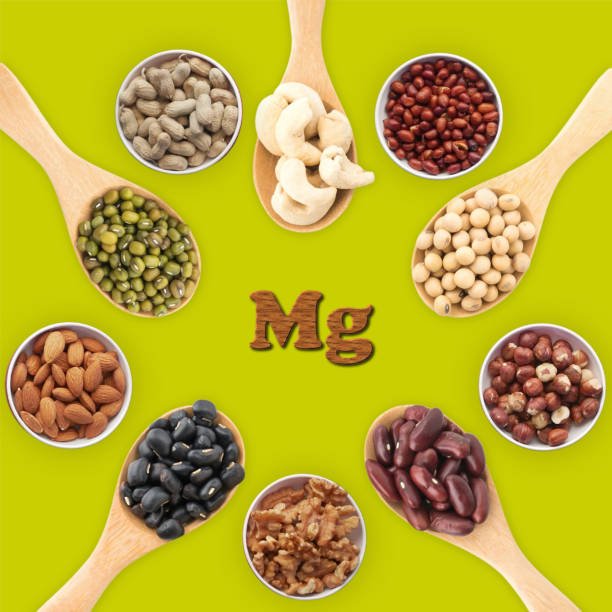
You can boost your magnesium naturally through foods like pumpkin seeds, almonds, cashews, walnuts, black beans, lentils, chickpeas, and fruits like avocado and bananas.
But if you have PMS, sleep issues, PCOS, fertility concerns, or digestive problems, functional medicine may recommend specific forms of magnesium like glycinate for calming and sleep, malate for energy, and threonate for brain health.
If you’re pregnant or planning pregnancy, it’s important to discuss magnesium needs with your medical provider, as your body needs change.
2. Omega-3 Fatty Acids Deficiency
It is often noted that women over 35 are low in omega-3s. Most women eat very few fatty fish servings per week, and plant sources like flax, chia, and walnuts only give ALA, which your body struggles to convert efficiently into the active forms, EPA and DHA.
Women go through different life stages like pregnancy, breastfeeding, perimenopause, and menopause, which further increase omega-3 needs. If you don’t boost intake, your risk of deficiency rises.
You should note that omega-3 deficiency isn’t just about low fish intake.
From a functional medicine perspective, it has wider consequences as you age, such as:
- Increases inflammation by upsetting your omega-6 to omega-3 balance
- Reduces brain protection and cognitive resilience
- Increases your cardiovascular and metabolic risks
These are the signs you might be low in omega-3s:
- Dry skin
- Hair Thinning
- Brain fog
- Memory issues
- Joint pain
- Menstrual pain
- High inflammation
- Poor mood
- Slow metabolism
Research also shows that women with low EPA/DHA have higher rates of depression, anxiety, insulin resistance, and inflammatory symptoms.
Where to get omega-3s:
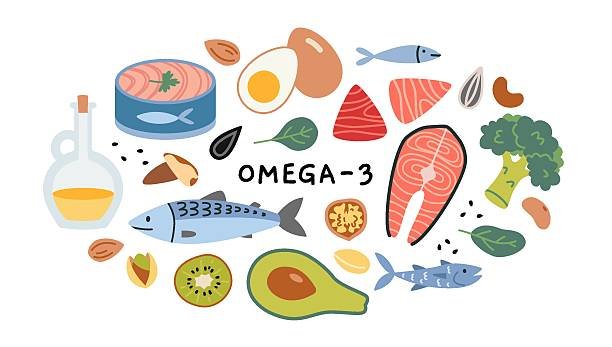
You can get omega-3s from fatty fish like salmon, sardines, mackerel, and anchovies. You need to eat fatty fish 2–3x a week to fulfill your omega-3 needs.
If you don’t eat fish, plant-based options like flax, chia, and walnuts help, but consider algae-based DHA supplements for optimal EPA/DHA levels.
If you’re experiencing these symptoms, functional medicine testing can help identify gaps and guide the right supplement or dietary plan for your needs.
3. Vitamin D Deficiency
Even if you feel like you get plenty of sun, vitamin D deficiency is surprisingly common. Many women don’t get enough because we spend more time indoors, use sunscreen, cover up, or simply don’t have enough vitamin D-rich foods in our diet.
After age 30, hormonal shifts and lifestyle factors make women even more prone to low vitamin D. Vitamin D is essential for many body functions. It supports your metabolism, hormone regulation, thyroid health, mood stability, bone density, and immune function.
It also helps your body manage insulin, which becomes especially important as glucose metabolism naturally slows with age.
Signs you might be low in vitamin D:
- Low energy
- Fatigue
- Frequent infections
- Depression
- Bone pain
- Muscle weakness
- Hair thinning
- Poor sleep
- Weight gain
Research also shows that low vitamin D is linked to higher rates of depression, anxiety, and poorer mental quality of life, especially in women. Beyond bone health, its deficiency can also weaken your immune system, increase inflammation, and slow recovery from illness.
Optimal vitamin D levels:
- Deficient: less than 20 ng/mL, high risk for symptoms
- Insufficient: 20–30 ng/mL, suboptimal for many body systems
- Optimal: 30–50 ng/mL, ideal for most adults
Where to get vitamin D:
Sun exposure is a source of vitamin D, but too much exposure can lead to skin burning, cancer, or tanning. So, it is important to wear sunscreen.
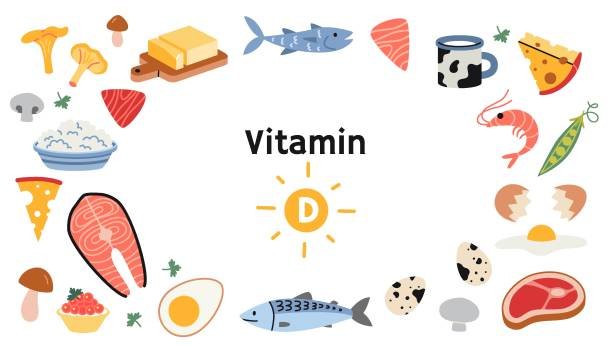
You can also boost your vitamin D naturally from foods like cooked sockeye salmon, egg yolks, fortified milk, and other fortified foods.
But many women still need supplementation to reach optimal levels, especially if they have limited sun exposure, hormonal shifts, or metabolic concerns.
Functional medicine testing can help you determine the right dose for your body.
4. Iron Deficiency
Even if your periods have become lighter with age, women over 35 are still at risk for iron deficiency. Chronic stress, low stomach acid, and gut issues can all make it harder for your body to absorb iron.
Without enough iron, it is difficult for your body to make healthy red blood cells, leading to iron deficiency anemia.
Recent CDC data show that only about 25% of women aged 12–49 meet the recommended iron intake through diet. Up to 11% have iron deficiency, and many more have low iron stores even before anemia develops.
Signs you might be low in iron:
- Tired after sleeping
- Shortness of breath
- dizziness
- Pale skin
- Brittle nails
- swollen tongue
- Hair thinning or hair loss
- Cold hands and feet
- Low energy and brain fog
You can have “normal” hemoglobin levels but still be iron-deficient if ferritin, the protein that stores iron, is under 50. Women with thyroid problems, heavy periods, or gut issues like IBS, low stomach acid, celiac disease, or H. pylori infection are especially vulnerable.
Symptoms like fatigue, mood swings, or low energy are often blamed on stress, perimenopause, sleep problems, or low thyroid, even though iron deficiency may be the underlying issue. In some cases, doctors don’t check ferritin (iron storage protein) and miss early deficiency because hemoglobin may still be “normal”.
Where to get iron naturally:
If you are a woman between 19–50, you need about 18 mg per day and pregnant women need 27 mg, and women over 51 need around 8 mg.
- Red meat (beef, lamb)
- Poultry (chicken, turkey)
- Oily fish (sardines, salmon)
- Leafy greens (spinach, kale, swiss chard)
- Legumes (lentils, chickpeas, black beans)
- Nuts and seeds (pumpkin seeds, cashews)
- Fortified cereals or grains
Plant-based iron is less easily absorbed, so pair it with vitamin C-rich foods like bell peppers, citrus, or berries to help your body take it in.
If you struggle to get enough iron through diet, supplements can help, but only under the guidance of your medical provider.
5. Iodine and Vitamin B12
Iodine is a key nutrient your thyroid needs to produce hormones. After 35, thyroid function naturally becomes more sensitive, making adequate iodine even more important.
Low iodine can lead to symptoms like weight gain, hair loss, fatigue, brain fog, low body temperature, or even an enlarged thyroid (goiter). Diets low in seafood, iodized salt, or certain low-salt plans make iodine deficiency more common than many women realize.
Vitamin B12 is another nutrient that’s easy to miss, especially for women over 35. As we age, stomach acid tends to decrease, which can reduce absorption of B12. This vitamin is essential for your nervous system, energy production, and metabolism. Signs of low B12 include:
- Tingling in hands or feet
- Fatigue and low energy
- Mood swings or irritability
- Memory issues
- Hair thinning or nutritional deficiency hair loss
- Shortness of breath
- Cracked lips or a burning tongue
Vegetarians, vegans, and women taking antacids are at higher risk, so checking your levels and supplementing under guidance can make a big difference in your energy and overall health.
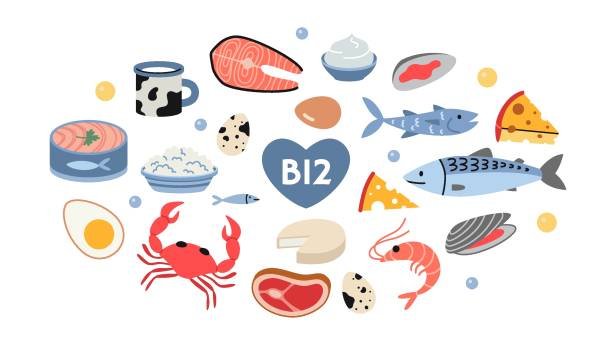
You can get iodine naturally from seafood, seaweed, and iodized salt, while B12 comes from animal products like fish, eggs, and dairy.
If you have dietary restrictions or absorption issues, a functional medicine clinician can help determine the best supplement form and dosage for you.
How to Correct Nutrition Deficiency Safely
Women over 35 face unique nutrient challenges, and ignoring them can quietly lead to serious health problems like anemia, osteoporosis, thyroid issues, fatigue, and hormonal imbalances. At Kairos Health in Texas, we take a step-by-step approach:
1. Test for Nutrition Deficiency
When it comes to nutrition deficiency, blood tests can help. Micronutrient panels, ferritin, vitamin D, B12, homocysteine, and omega-3 index give useful information, but sometimes your body shows a deficiency before labs confirm it.
2. Use Supplements When Needed
You can boost your nutrients through meals, but sometimes guided supplements make the difference:
- Magnesium (glycinate or malate) for energy and hormones
- Omega-3s (EPA/DHA, 1–2g/day) for brain, heart, and anti-inflammatory support
- Vitamin D3 + K2 for bones, immunity, and metabolism
- Iron (bisglycinate) for energy and healthy blood
- Iodine from seafood or kelp for thyroid function
- Methylated B12 for energy, nerves, and metabolism
It is always best to check with your provider before starting anything new.
3. Support Your Gut
You can’t absorb nutrients if your gut isn’t happy:
- Use lemon water or herbal bitters to boost your stomach acid
- Eat fiber-rich foods and probiotics
- Avoid sugar and refined oils to reduce inflammation
4. Balance Your Hormones
Hormones affect how your body uses nutrients. Supporting your thyroid, estrogen, cortisol, and insulin with stress management, sleep, and consistent activity can make a real difference.
Final Thoughts
Most women over 35 face health challenges not because of disease but because of nutritional deficiencies.
Fatigue, hair thinning, irritability, weight gain, anxiety, poor sleep, and low mood are common signs that you may be missing key vitamins, minerals, or nutrients. These deficiencies are highly correctable, often within just 30–90 days, with the right support.
At Kairos Health & Wellness, Lola, one of our functional medicine nurse practitioners, can help determine which vitamins, minerals, or nutrients you may be low in and create a step-by-step plan to restore balance.