Most people blame stress, aging, or poor diet for their hormone problems, but there’s another major trigger many never consider, like hormone disruptors that are usually hiding right inside your home.
In functional medicine, e, we see every day how common items like plastics, non-stick cookware, candles, cleaners, and synthetic fragrances quietly interfere with the body’s natural hormone rhythms.
Your hormone system is delicate. It runs on tiny chemical signals that control everything from mood and energy to metabolism, fertility, sleep, and weight.
Whether you’re in Houston, TX, or anywhere else, your daily environment plays a bigger role in your hormonal health than most people realize.
In this article, we’ll walk you through the hidden hormone disruptors, what they are, where they hide, and simple steps you can take to reduce your maximum exposure.
What Are Hormone Disruptors?
Hormone disruptors, also called endocrine-disrupting chemicals (EDCs), are chemicals that interfere with your body’s natural hormone signals. Your hormones work with very tiny doses, so even small exposures can affect estrogen, testosterone, thyroid hormones, cortisol, and insulin.
These chemicals act like hormone imposters. They can attach to your hormone receptors, copy your natural hormones, block them, or change how your body makes and uses them.
Hormone disruptors as one of the top hidden causes of:
- metabolic slowdown
- weight gain
- irregular cycles
- fertility issues
- chronic fatigue
- inflammation-based mood issues
And unfortunately, they’re present in almost every modern household, such as:
1. Nonstick Cookware (PFOAs & PFAS)
If you’re still using old Teflon or nonstick pans, there’s a good chance you’re being exposed to PFOAs and PFAS. These are known as “forever chemicals” because they stay in the environment and in our bodies for a very long time.
These chemicals can interfere with your important hormones, including the ones that control your thyroid, metabolism, estrogen, and testosterone. Latest research shows PFAS are linked to weight gain resistance, hormonal shifts, and reduced fertility.
You’ll find these chemicals in more than just cookware. PFAS are present in your:
- nonstick pans
- stain-resistant carpets
- furniture
- microwave popcorn bags
- pizza boxes
- water-repellent sprays
To avoid its maximum exposure, you need to switch to stainless steel, cast iron, or ceramic cookware. And because PFAS have been found in many Houston-area water systems, adding a high-quality water filter can make a huge difference for your long-term health.
2. Plastics and Water Bottles
Plastics are one of the biggest hidden sources of hormone disruptors in everyday life, especially in warm, humid climates, where water bottles or food containers often sit in heat that further accelerates chemical leaching.
Materials containing BPA, BPS, and phthalates can release endocrine-disrupting chemicals into your food and drinks, especially when plastics are heated, scratched, or used to store acidic or fatty foods.
These chemicals can disrupt your health and may cause you symptoms like:
- irregular cycles
- heavy periods
- breast tenderness
- weight gain around hips/abdomen
- anxiety or mood swings
- Poor thyroid function
The problem is they are present everywhere such as in your water bottles, food containers, canned-food linings, plastic wrap, kids’ toys, or takeout packaging.
You can easily avoid its exposure by using glass, stainless steel, or silicone whenever you can.
Keep plastic away from heat. Don’t microwave it. Don’t put hot food in it. Small changes like this can make a big difference for your hormones.

3. Perfumes, Scented Candles & Air Fresheners
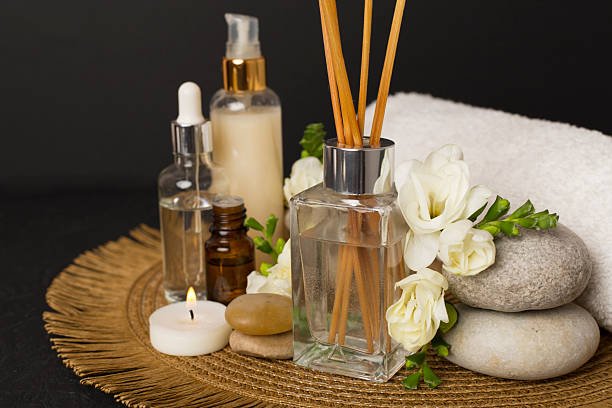
You’re surrounded by fragrances all day. These synthetic scents in perfumes, candles, air fresheners, detergents, and sprays often contain phthalates, which are the chemicals that can interfere with your estrogen, testosterone, and stress hormones. And because you inhale them, they get into your system fast.
Chemical in your fragrance can trigger headaches, sinus pressure, irritability, anxiety spikes, asthma flares, and stubborn hormone symptoms.
We also see them affecting cycles, mood, and even fertility. Kids and teens are even more sensitive to fragrances because their hormones are still developing.
These chemicals hide in almost everything that smells good such as:
- perfumes
- body sprays
- laundry detergent
- fabric softeners
- scented candles
- plug-in air fresheners
- cleaning products
A simple switch helps more than you’d expect. Just choose fragrance-free products, beeswax candles, essential-oil diffusers, and clean home brands fragrances to avoid exposure to these chemicals.
4. Household Cleaners & Disinfectants
You use cleaners every day, but most of the common sprays under the sink are packed with chemicals that can mess with your hormones. Ingredients like triclosan, glycol ethers, phenols, and strong disinfectants don’t just clean surfaces, they get into your air and onto your skin.
They can interfere with thyroid function, cortisol balance, reproductive health, and even the liver pathways that help your body clear toxins. And if you live in Texas, where outdoor air quality is already a challenge, these indoor chemicals add another layer of stress to your body.
Instead of chemical based cleaners, switch to non-toxic brands or basics like vinegar, castile soap, baking soda, and essential oils to avoid maximum chemical exposure.
5. Personal Care Products
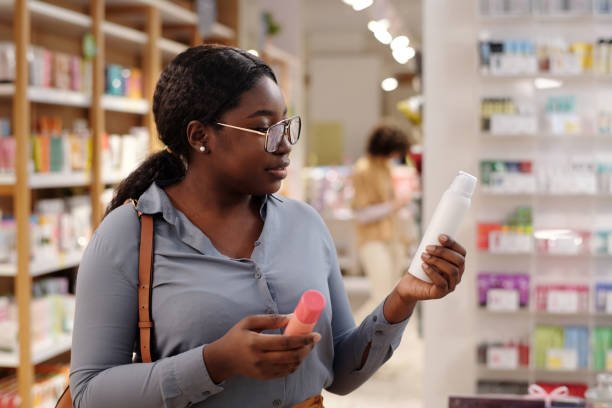
Many personal care products contain hormone-disrupting chemicals like parabens, phthalates, oxybenzone in sunscreen, and formaldehyde-releasing agents.
These chemicals can cause many health problems like:
- PMS
- breast tenderness
- skin irritation
- hair thinning
- low libido
- thyroid dysregulation
Studies also shows that long-term exposure to these chemicals may influence your menstrual cycles, fertility, metabolic health, and overall hormone balance. The simplest way to protect yourself is to keep your routine minimal. Use fewer, essential products rather than layering dozens of creams, sprays, and lotions.
From the products you use to the foods you eat, small exposures can add up. Our Clean Wellness team can help you understand your exposures and make safer choices.
How to Reduce Exposure to Hormone Disruptors
It’s always easier to prevent hormone disruption than to fix it later. Beyond swapping plastics or choosing fragrance-free products, there are simple, practical steps you can take every day.
- Learn to Read Label: Check ingredient lists on cleaning and personal care products. Watch out for parabens, phthalates, synthetic fragrances, triclosan, and other endocrine disruptors. Apps and online databases can make it quick and easy to spot harmful chemicals.
- Rethink Household Cleaning: Choose better alternatives like vinegar, baking soda, castile soap, or essential-oil cleaners. Keep your home well-ventilated while cleaning.
- Smart Home Textiles: Choose natural fabrics like cotton, wool, or silk over flame-retardant, stain-resistant, or synthetic textiles. Wash new clothes and bedding before use.
- Filter Your Water and Air: High-quality water filters, like carbon block or reverse osmosis, and air purifiers can reduce PFAS, microplastics, and other airborne hormone disruptors.
- Choose Natural Packaging: Glass or aluminum containers are safer than plastic. For food or water, especially when heating, use glass or stainless steel to avoid chemical leaching.
Quick Functional Reset for Hormone Balance
You can give your body a gentle detox and functional reset right at home with a few simple daily habits.
- Hydrate: Start the day with 16–20 Oz of water with a pinch of mineral salt.
- Clean Meal: Breakfast of protein + fiber + healthy fats. (reach out to us for clean meal ideas)
- Detox Movement: Take a 15–20 minute walk or do gentle exercise to boost circulation and sweating.
- Reduce Toxins: Replace one personal care or household product for a toxin-free version.
- Healthy Evening Routine: 7–8 hours of sleep, minimize evening screen time, and avoid late sugar or caffeine.
Stick with these steps for 30–90 days, and you’ll likely notice better energy, improved mood, more balanced hormones, and a more efficient detox system.
Final Thoughts
Your home may be full of hidden hormone disruptors that quietly affect your overall health. You don’t have to let them control you. Learning to read labels, recognize hidden toxins, and identify root causes is the first step toward real change.
At Kairos Health & Wellness, Lola, one of our functional medicine nurse practitioners, guides you through this process. She creates personalized plans to support your hormones, gut health, metabolism, and natural detox pathways.
If you’re ready to uncover the root causes and take control, schedule a consultation with us today!