
Most people assume dehydration just means “feeling thirsty.” But in functional medicine, dehydration goes deeper, it’s a cellular issue that affects mood, energy, digestion, and hormones.
Even mild dehydration can impair the body’s ability to detoxify, balance electrolytes, and regulate temperature. When your cells don’t get enough water or can’t absorb it properly, you’ll start to experience a wide range of subtle, often-overlooked symptoms.
Here are 13 important signs of dehydration you shouldn’t ignore, and what to do about them.
1. Fatigue and Low Energy
When you’re dehydrated, your blood volume decreases, which makes it harder for your heart to pump oxygen and nutrients to your muscles and brain. This often leads to that mid-day crash or ongoing fatigue that no amount of coffee can fix.
A 2012 study published in the Journal of Nutrition found that even mild dehydration (1.5% fluid loss) significantly increased fatigue and decreased alertness in young women. This fatigue isn’t just tiredness, it’s your body’s cry for cellular fuel and fluid balance.
2.Brain Fog or Difficulty Concentrating
The brain is about 75% water, and even slight dehydration can impair cognitive performance. One research study shows that dehydration by just 1–2% impairs cognitive function, short-term memory, and attention.

This is especially impactful in children, older adults, and those with underlying adrenal stress. You may feel distracted, forgetful, or mentally slow, especially if you’re not absorbing electrolytes along with your fluids.
3. Headaches and Dizziness
Dehydration can cause the brain to temporarily shrink away from the skull, triggering tension and headaches. In one study, drinking water provided relief in 47% of participants who experienced dehydration-related headaches within 30 minutes.
These symptoms may also signal hormonal imbalance, as hydration plays a role in hormone transport and detoxification.
4. Dry Skin and Lips
Your skin is one of the first places where dehydration shows. If your lips are chapped or your skin feels dull and flaky, your body is likely prioritizing internal organs over surface hydration.
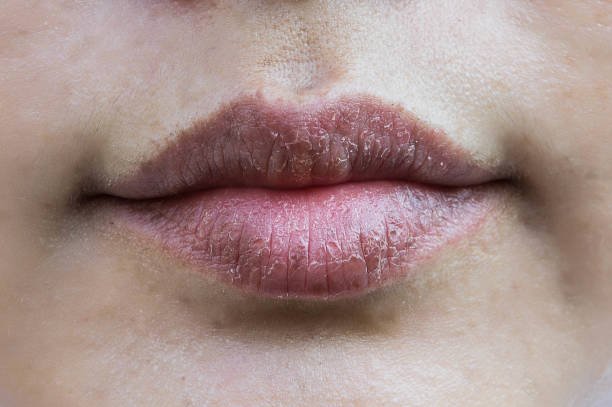
Also, Cosmetic and Investigational Dermatology confirmed that good hydration improves skin elasticity, smoothness, and barrier repair.
5. Constipation or Sluggish Digestion
Water is essential for moving waste through the colon. Without it, the stool becomes hard and dry. You might experience bloating, discomfort, or irregular bowel movements. This is the common issue we address at Kairos Health and Wellness to support gut health with targeted hydration protocols, fiber balance, and probiotics.
6. Dark or Reduced Urine Output
One of the most telling signs of dehydration is dark yellow or amber-colored urine. When fluid levels are low, your kidneys concentrate waste more heavily, reducing urine volume and darkening its color.
In healthy hydration, urine should be pale straw or clear. You may also urinate less often if your body is conserving fluids. Prolonged dehydration can also increase the risk of kidney stones and UTIs
7. Rapid Heartbeat or Heart Palpitations
Low hydration impacts your electrolyte balance, especially sodium and potassium, which directly affects heart rhythm. If you’re feeling jittery or experiencing irregular beats, hydration and mineral balance may be the key.
8. Cravings for Salt or Sugar
Craving salty snacks or sweets? This may be your body asking for more sodium or quick glucose due to depleted cellular hydration and low adrenal reserves. The adrenal glands require sodium to produce aldosterone, which regulates fluid balance. Chronic dehydration stresses the adrenals, often resulting in salt cravings.
Rehydration with natural sea salt and mineral-rich foods helps restore electrolyte balance.
9. Dry Eyes or Blurred Vision
Your eyes rely on hydration for tear production, lubrication, and clear vision. In dehydration, the tear ducts dry up, leaving your eyes irritated, red, and blurry. According to the American Optometric Association, dry eye syndrome is often worsened by poor hydration and insufficient omega-3 intake.
10. Muscle Cramps or Spasms
Without enough water and minerals like magnesium and potassium, muscles can contract unpredictably. This is common after exercise or in hot weather, but also a red flag for deeper imbalances. We recommend functional hydration strategies before, during, and after movement.
11. Irritability or Mood Swings
Water plays a key role in brain signaling and cortisol regulation. If you’re snapping at loved ones or feeling emotionally off, consider whether hydration might be playing a part. One study published in Physiology & Behavior found that dehydration heightened mood disturbance, fatigue, and confusion, even with just 1% fluid loss.
In functional health, mood is often one of the first clues of imbalance, including dehydration.
12. Bad Breath or Dry Mouth
Saliva production drops when you’re dehydrated, leading to an overgrowth of bacteria in the mouth, resulting in halitosis. A sticky or cotton-mouth sensation is another clue. It’s not just about hygiene, optimal hydration supports oral and systemic health.
13. Skin “Pinch Test” Fails
Gently pinch the skin on the back of your hand. If it takes longer than 1–2 seconds to bounce back, you may be lacking intracellular hydration, a clear sign your cells need more water and minerals. However, functional medicine goes deeper, evaluating intracellular hydration and mineral transport for a true picture.
Why Water Alone Isn’t Enough
Many people do drink water, but they’re still dehydrated. Why? Because water without minerals often doesn’t absorb into cells. Your body needs electrolytes like sodium, magnesium, and potassium to actually transport water across cell membranes.
Functional hydration also involves gut health, adrenal health, and hormone regulation. That’s why Kairos Health and Wellness includes hydration strategies in nearly every client protocol.

How to Rehydrate Effectively
- Drink filtered, mineral-rich water throughout the day, not just when you’re thirsty.
- Add a pinch of sea salt or use an electrolyte powder (with no artificial sweeteners).
- Eat water-rich foods like cucumbers, citrus, and leafy greens.
- Limit caffeine and alcohol, which can deplete fluids.
- Address gut or adrenal issues if hydration continues to be a problem.
If fatigue, digestive issues, or hormone problems persist, it’s worth assessing deeper root causes. We offer advanced testing and personalized hydration protocols to help you regain balance.
FAQs – Hydration Support at Kairos
Q1. Can dehydration really affect hormones?
Yes! Cortisol, thyroid hormones, and even estrogen need water for proper transport and metabolism.
Q2. What if I drink water but still feel tired?
You might be missing electrolytes or struggling with absorption due to adrenal fatigue or gut issues.
Q3. Do you help clients with chronic dehydration or fatigue?
Absolutely. Our Nurse Practitioner, Lola, uses functional testing and custom protocols to help you rehydrate on a cellular level.
Q4. Is drinking more water always the solution to dehydration?
Not always. Without minerals, your cells can’t absorb water efficiently. We focus on functional hydration by improving mineral status, gut health, and adrenal function.
Conclusion: Rehydrate at the Root Cause
If you’re experiencing any of the above signs of dehydration, it’s time to look beyond the water bottle. True hydration starts with understanding your body’s unique needs and supporting your cells with the right minerals, gut function, and lifestyle.
At Kairos Health and Wellness, we look beneath the surface to uncover what’s truly keeping your body from holding on to hydration. Lola, one of our expert providers, is here to help. As a Board-Certified Nurse Practitioner with advanced training in hormone optimization and functional medicine, she specializes in personalized, root-cause care that supports your body’s natural healing processes. Whether you’re dealing with fatigue, low energy, or chronic dehydration symptoms, she can guide you toward sustainable wellness.
Ready to feel more like yourself again? Book a discovery consult today and take your first step toward vibrant, well-hydrated health.